New Perspectives on a Familiar Past: An Interview with Maxim Matusevich by Svetlana Satchkova

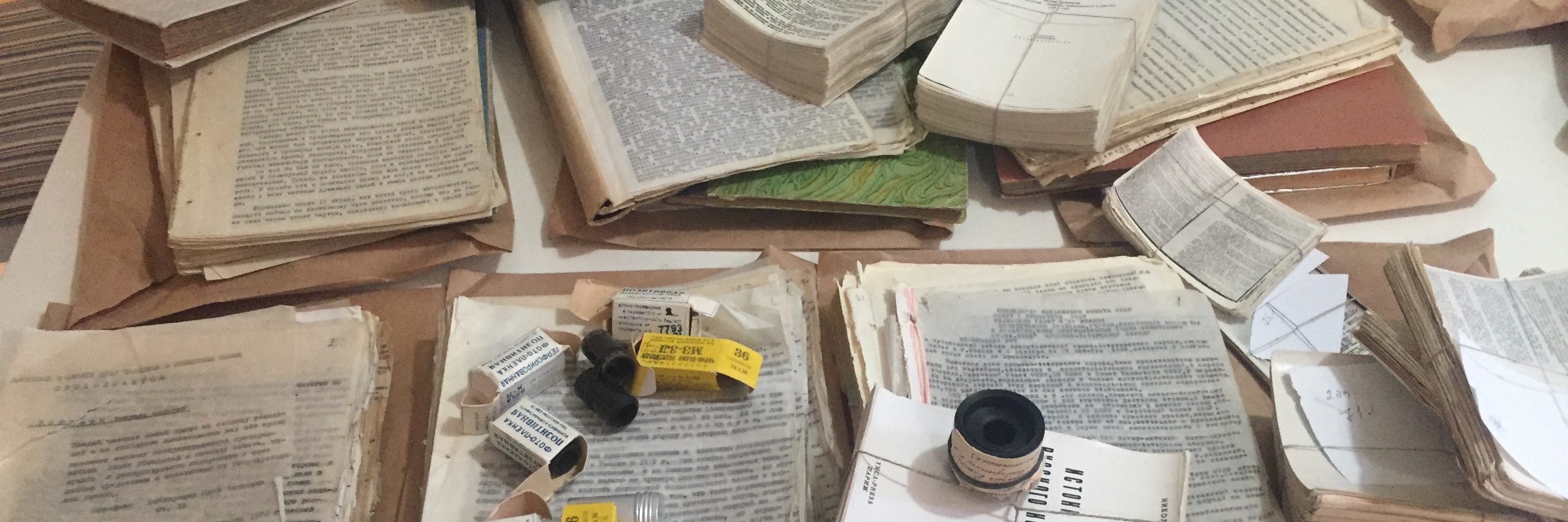
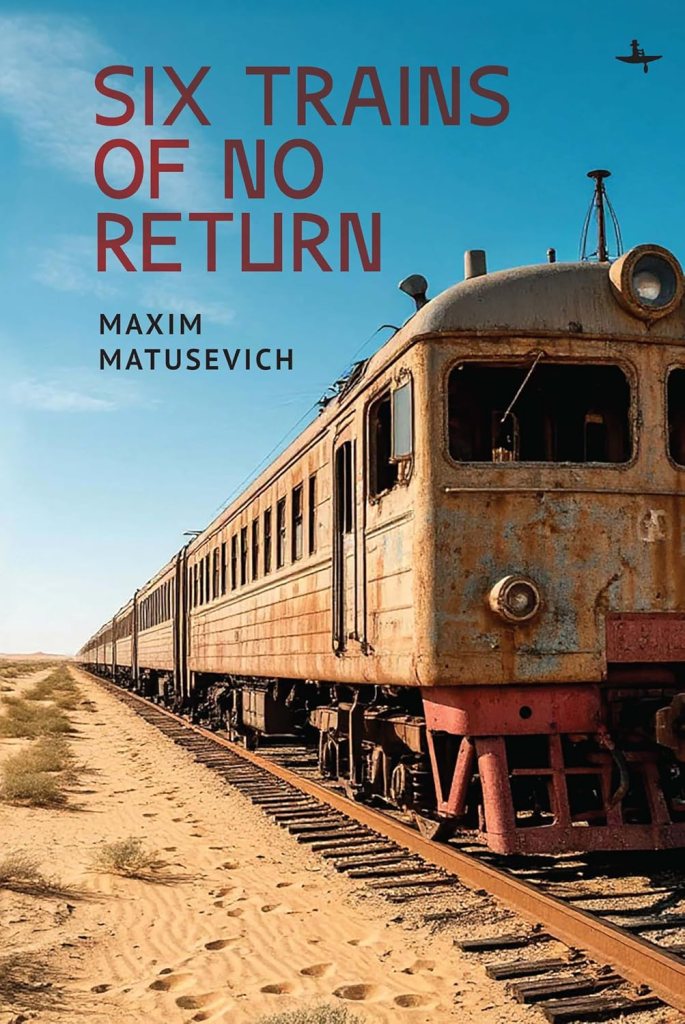
Maxim Matusevich’s fiction is filled with people crossing borders — between countries, languages, identities, and versions of the past. That seems fitting for a writer whose own life has taken him from a communal apartment in Soviet Leningrad to army barracks, from pizza delivery in Oklahoma to academic archives in Nigeria, and eventually to a career as a historian and writer in the United States. Now Professor and Chair of the Department of History at Seton Hall University, Matusevich has recently published his first book of fiction, the short story collection Six Trains of No Return (Academic Studies Press, 2026). We spoke on Zoom about the unlikely path that led him to fiction, the relationship between history and memory, and why he keeps returning to lives shaped by displacement and reinvention.

— Svetlana Satchkova

Continue reading “New Perspectives on a Familiar Past: An Interview with Maxim Matusevich by Svetlana Satchkova” →

“This Bone-Deep Memory of Movement”: A Conversation between Alina Adams and Irena Smith

It is our pleasure to present a conversation between Alina Adams, whose writing has been featured several times on Punctured Lines (here and here) and Irena Smith, whom we welcome for the first time. They happened to have crossed paths as newly arrived immigrant children in the U.S., and now they both have come out with new books. Alina Adams is the author of Go On Pretending (History Through Fiction, 2025; her essay about it is on the blog). Irena Smith is the author of Troika: Three Generations, Three Days, and a Very American Road Trip (She Writes Press, 2026). I met her earlier this year at her reading of Troika at LA’s beloved independent bookstore Book Soup; the reading was hosted by Prof. Lilya Kaganovsky, the chair of our department at UCLA, and as it turns out, Irena’s close friend from childhood. Alina and Irena conducted the conversation over Zoom and transcribed it, and it was edited for clarity and expanded in parts.

Continue reading ““This Bone-Deep Memory of Movement”: A Conversation between Alina Adams and Irena Smith” →