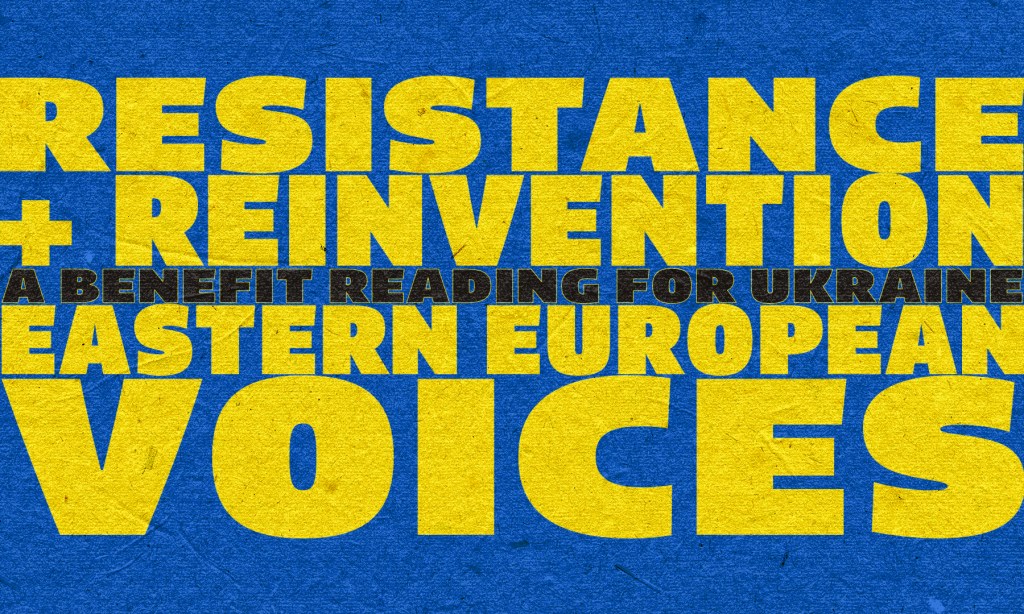
Eastern European Voices for Resistance and Reinvention

When: March 6, 7:00 pm

Where: Library Nineteen
606 S. Ann St, Baltimore MD, 21231

*** Please register on Eventbrite ***

This one-of-a-kind reading brings together writers from Eastern Europe and the post-Soviet countries who now make their homes across the United States. Taking place during the 2026 AWP Conference, the event celebrates a growing circle of poets, prose writers, and translators from complex, cross-cultural identities whose work is shaped by displacement and immigration, survival and resilience.

More essential than ever, nuanced storytelling is our compass toward understanding and community. Writing from and beyond histories marked by authoritarianism and censorship, the authors center free expression, creative freedom, and democratic dialogue. Through stories of reinvention, loss, and belonging, we build cultural and intergenerational bridges, reclaiming the power of connection and voice.

** This event is a fundraiser for Ukraine ** Free admissions ** Book sales by Bergstrom Press & Books ** Please register on Eventbrite **Arrive early to get a seat! **

This event is co-hosted by Turkoslavia, a translation collective and a journal celebrating literature in Turkic and Slavic languages.
* Thank you to Ena Selimović for designing the promotional materials

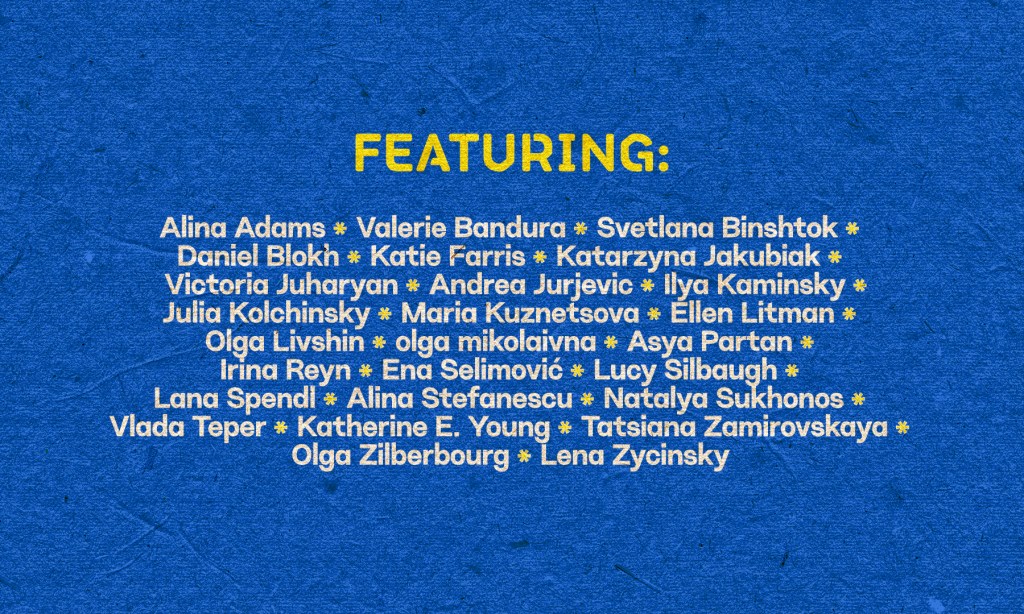
Featured Readers:
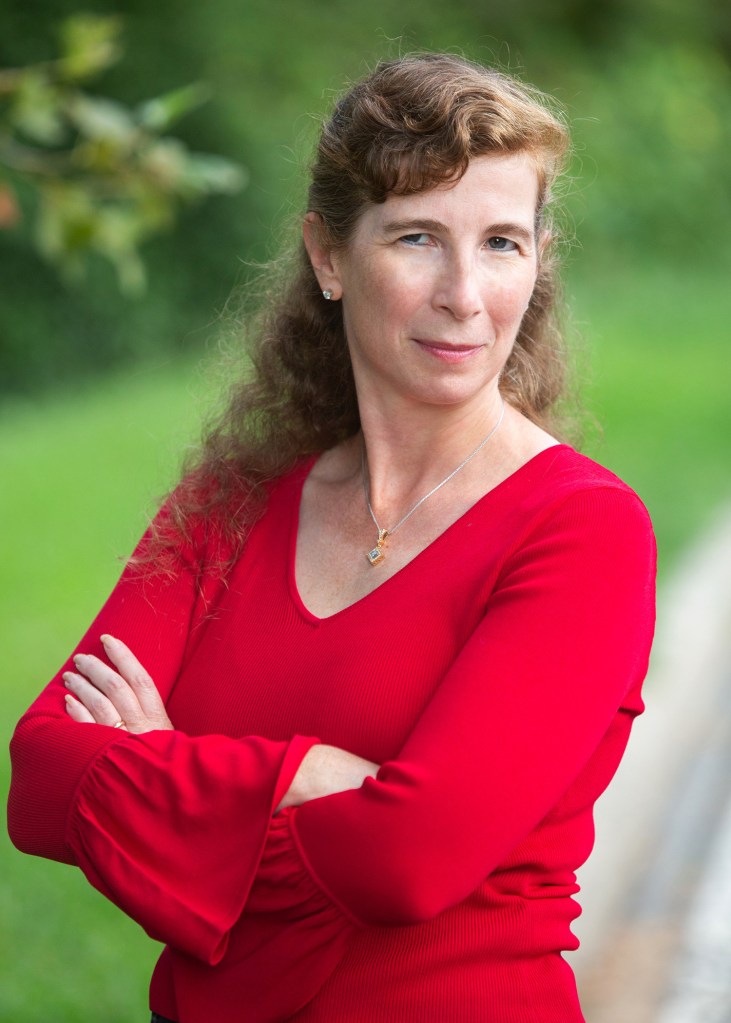
Alina Adams is the NYT best-selling author of soap opera tie-ins, figure skating mysteries and romance novels. Her Soviet historical fiction includes The Nesting Dolls, My Mother’s Secret: A Novel of the Jewish Autonomous Region and Go On Pretending. www.AlinaAdams.com
Born in the former Soviet Union, Valerie Bandura is the author of two collections of poems, Human Interest and Freak Show. Her poems have appeared in American Poetry Review, The Gettysburg Review, and Ploughshares, among others. She teaches writing at Arizona State University. https://valeriebandura.com/
Svetlana Binshtok is a writer and storyteller whose work has appeared in The Louisville Anthology, The Second City, 80 Minutes Around the World, and Fillet of Solo Festival.
Danya Blokh is a poet from Birmingham, Alabama. He received his bachelor degree in Comparative Literature and Russian from Yale University, and is now pursuing an MFA in Poetry at Johns Hopkins.
Katie Farris’s work has appeared in Poetry & The New York Times. Her latest book, Standing in the Forest of Being Alive (Alice James 2023) was shortlisted for the 2023 TS Eliot Prize. She co-translates from Ukrainian, including Lesyk Panasiuk’s Letters of the Alphabet Go to War (Sarabande 2026).
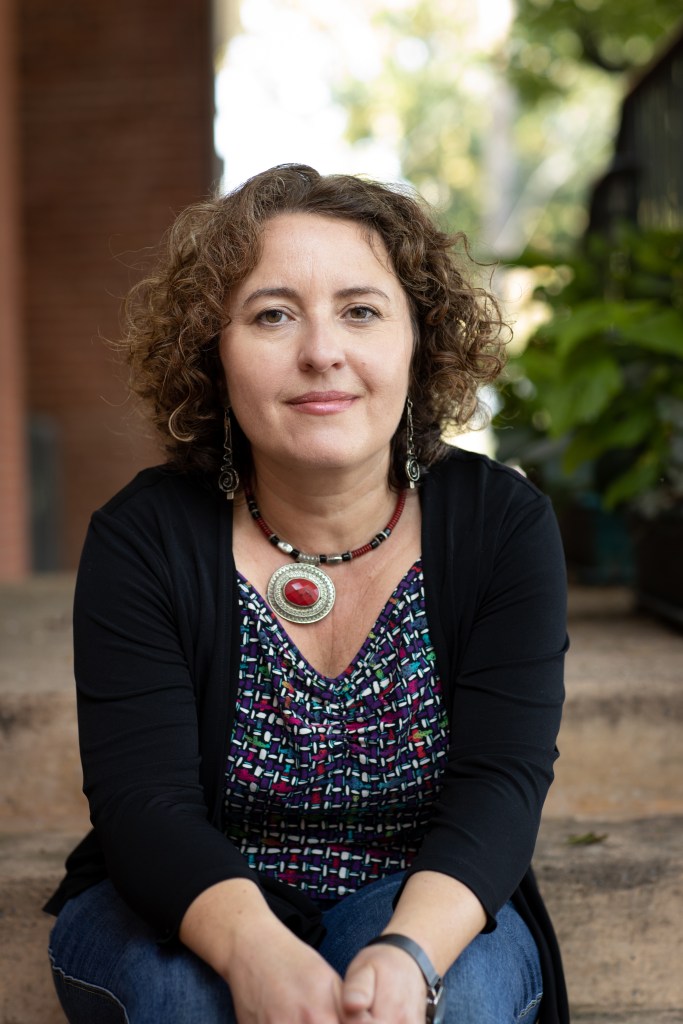
Katarzyna Jakubiak’s recent nonfiction collection is Obce stany (Alien States; Poland, 2022). She is also a short story writer, translator, scholar, and Associate Professor of English at Millersville University.
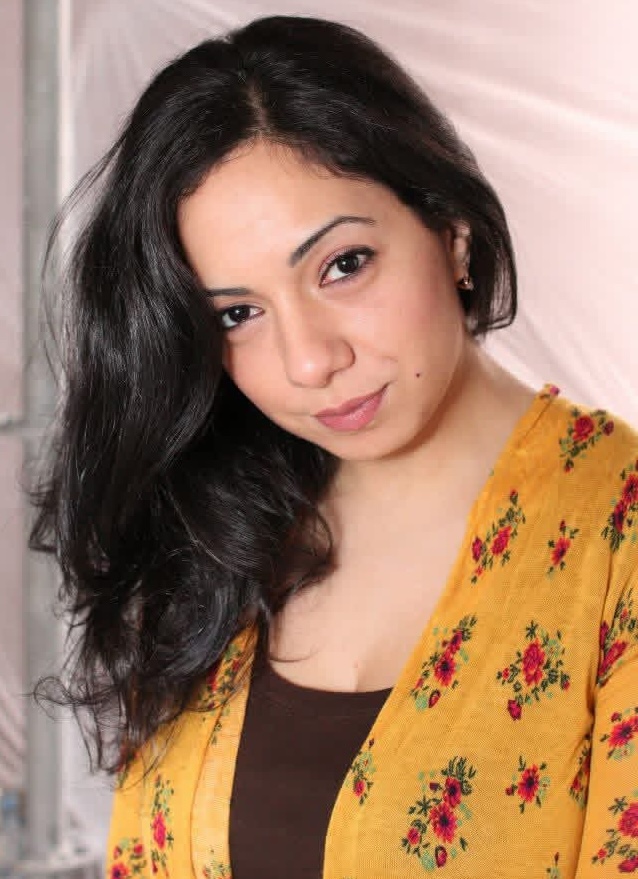
Victoria Juharyan teaches literature and philosophy at Johns Hopkins University. She has been writing poetry since she was three years old but first time she agreed to read her work in public was in 2022 after Russia’s invasion of Ukraine, at a similar event during AWP. Consequently, her poems were published in Symposeum Magazine (https://api.symposeum.us/author/victoria/) and set to music. 
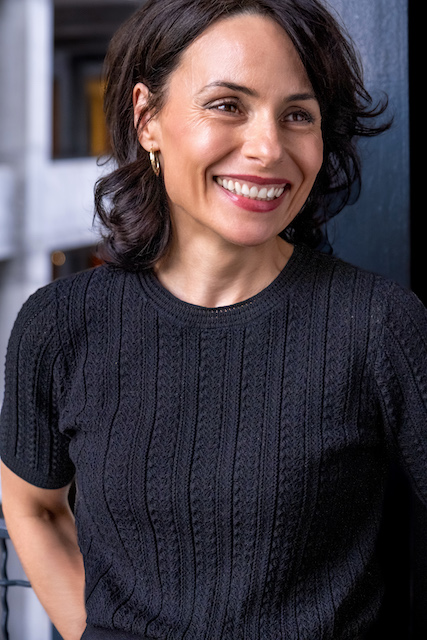
Andrea Jurjevic headshot by Sean Patrick

Andrea Jurjević is a poet, translator, and painter from the Adriatic coast of Croatia. Her latest collection is In Another Country (2022 Saturnalia Books Prize). Read her Substack Lovesong to Elsewhere: https://andreajurjevic.substack.com/
Ilya Kaminsky was born in Odesa, Ukraine and lives in New Jersey. He is the author of Dancing in Odessa (Tupelo) and Deaf Republic (Graywolf) and translator & editor of many other books.
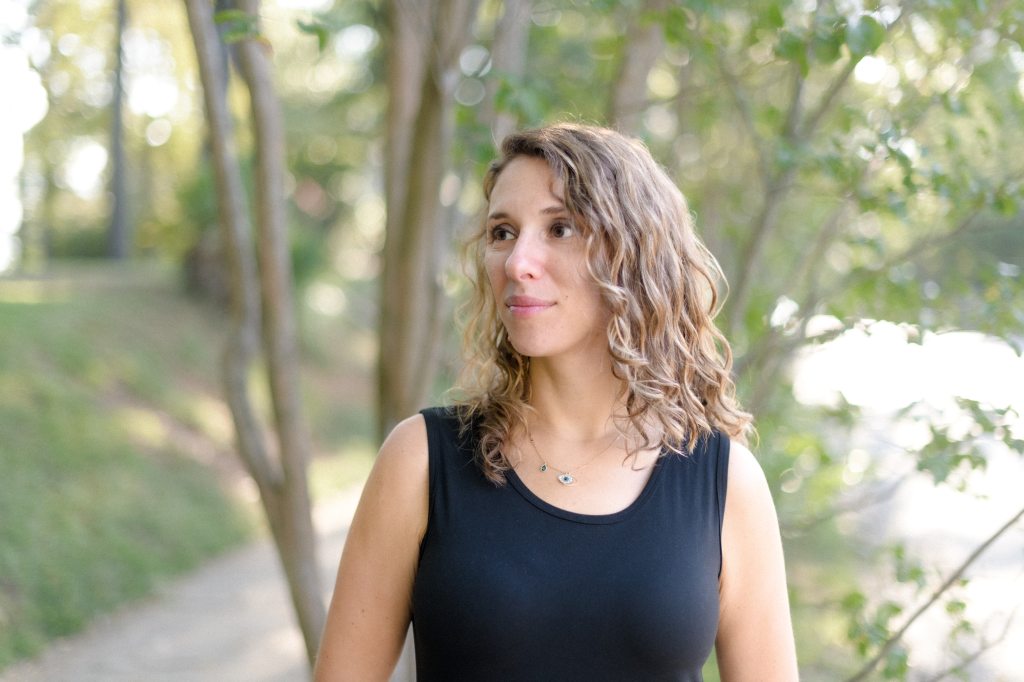
Julia Kolchinsky is the author of four poetry collections, most recently, PARALLAX (The University of Arkansas Press, 2025). Her next book, When the World Stopped Touching (YesYes Books, 2027) is a collaborative collection of letter-poems with Luisa Muradyan, written during the first year of COVID . She is Assistant Professor of English and Creative Writing at Denison University.
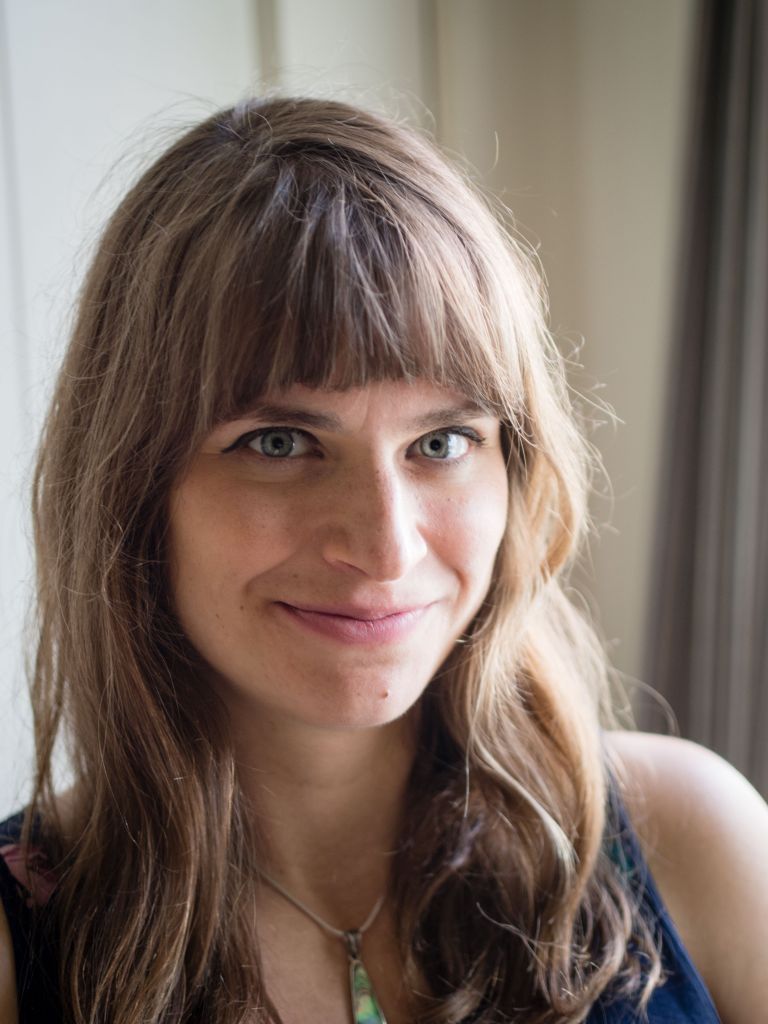
Maria Kuznetsova was born in Kyiv, Ukraine. She is the author of the novels Oksana, Behave!  and Something Unbelievable and is an Associate Professor at Auburn University. https://mariakuznetsova.com/
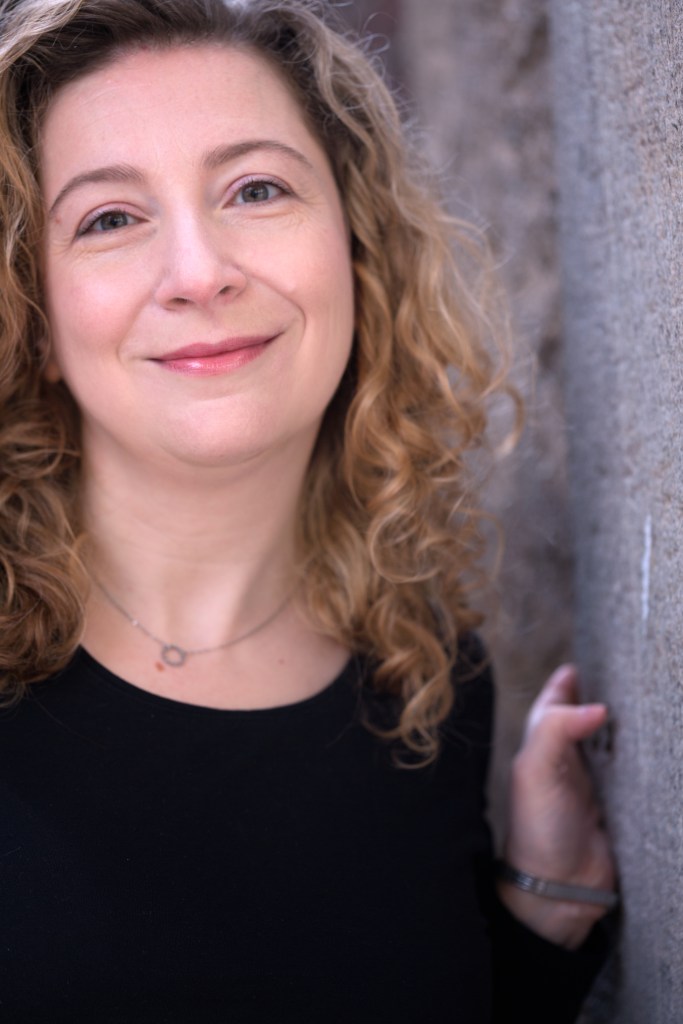
Ellen Litman is the author of two novels, The Last Chicken in America and Mannequin Girl. She teaches at UConn. Born in Moscow, she immigrated to the US in 1992.
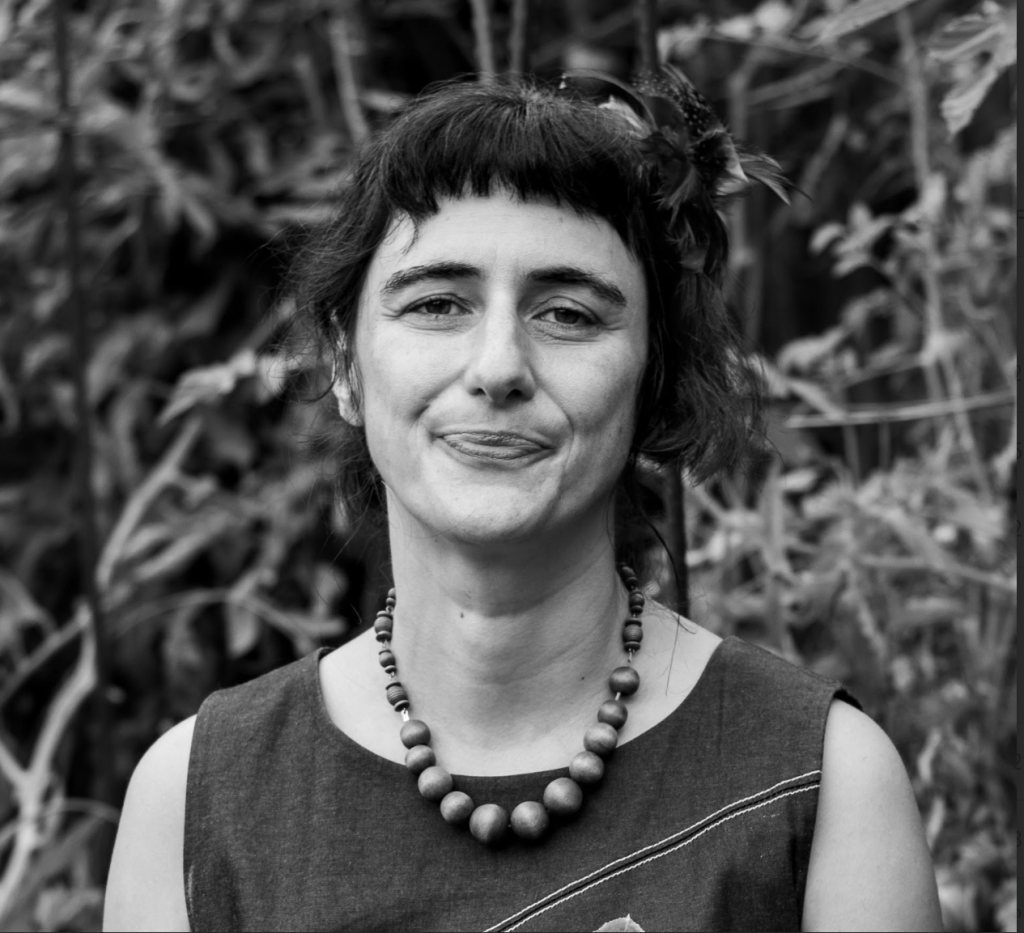
Olga Livshin’s poetry appears in Poetry magazine, the Southern Review, and Ploughshares. She is the author of A Life Replaced: Poems with Translations from Anna Akhmatova and Vladimir Gandelsman. olgalivshin.com 
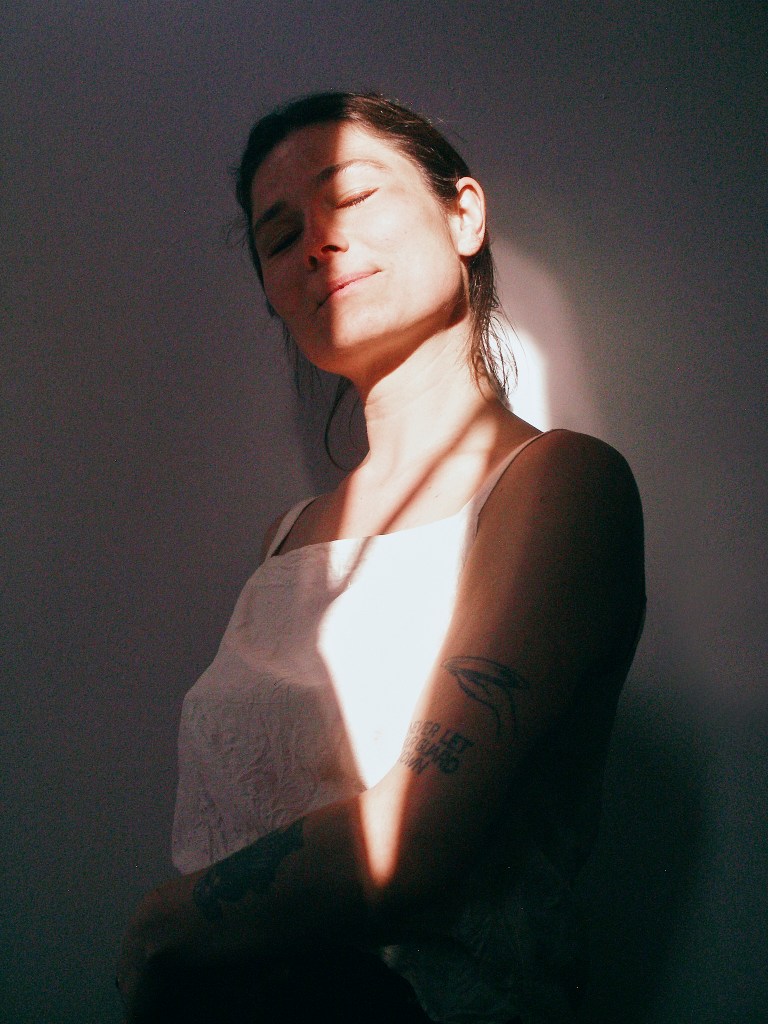
olga mikolaivna was born in Kyiv and works in the (intersectional/textual) liminal space of photography, word, translation, and installation. Her debut chapbook cities as fathers is out with Tilted House and “our monuments to Southern California,” she calls them is forthcoming with Ursus Americanus Press. She lives in Philadelphia and teaches at Temple University. https://www.olgamikolaivnapetrus.org
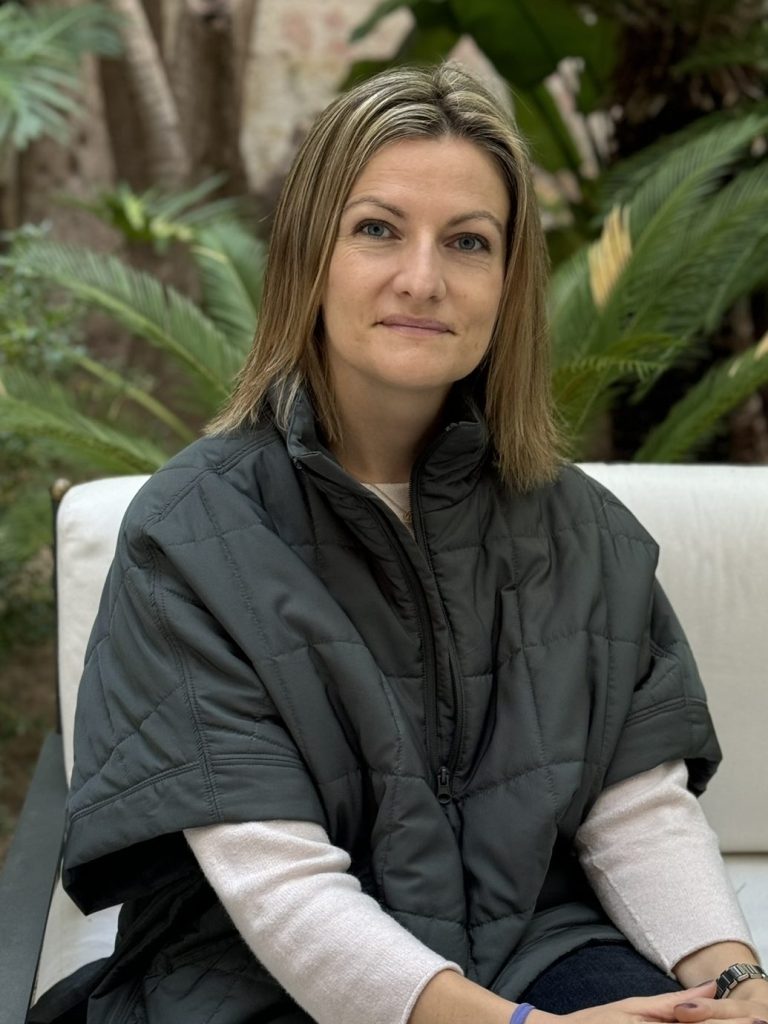
Asya Partan’s writing appears in The Boston Globe, The Rumpus, Pangyrus, NPR‘s Cognoscenti, and The Brevity Blog, and is forthcoming from Liberties. An MFA (Emerson College) and a memoir are in the works. www.asyapartan.com
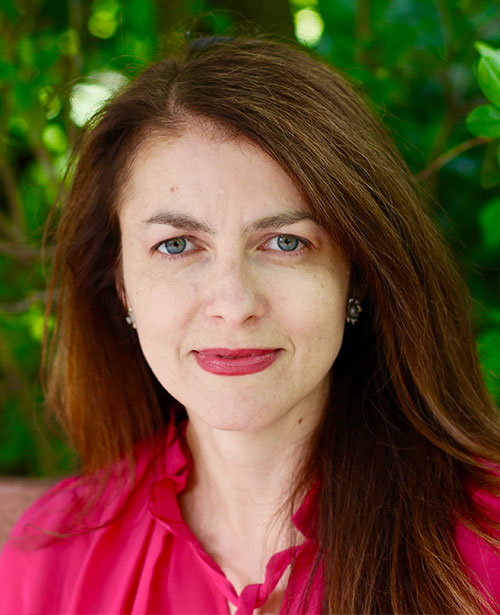
Irina Reyn is the author of three novels: Mother CountryThe Imperial Wife, and What Happened to Anna K, which won the Goldberg Prize for Debut Fiction. Her work has appeared in One StoryPloughsharesTin House, and other publications. She teaches fiction writing at the University of Pittsburgh.
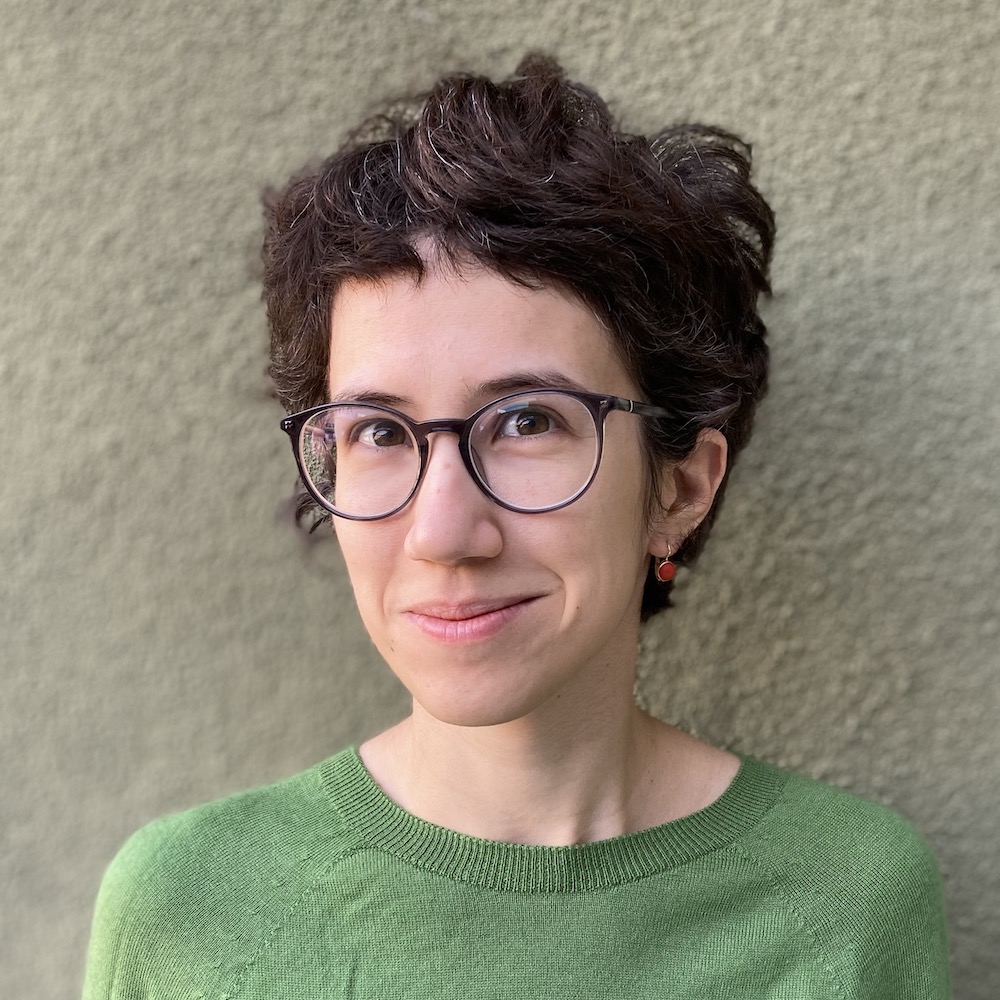
Ena Selimović is a writer, translator, and co-founder of Turkoslavia, a translation collective and literary journal. Her work has appeared in Words Without Borders, The Paris Review, and elsewhere. https://www.turkoslavia.com/
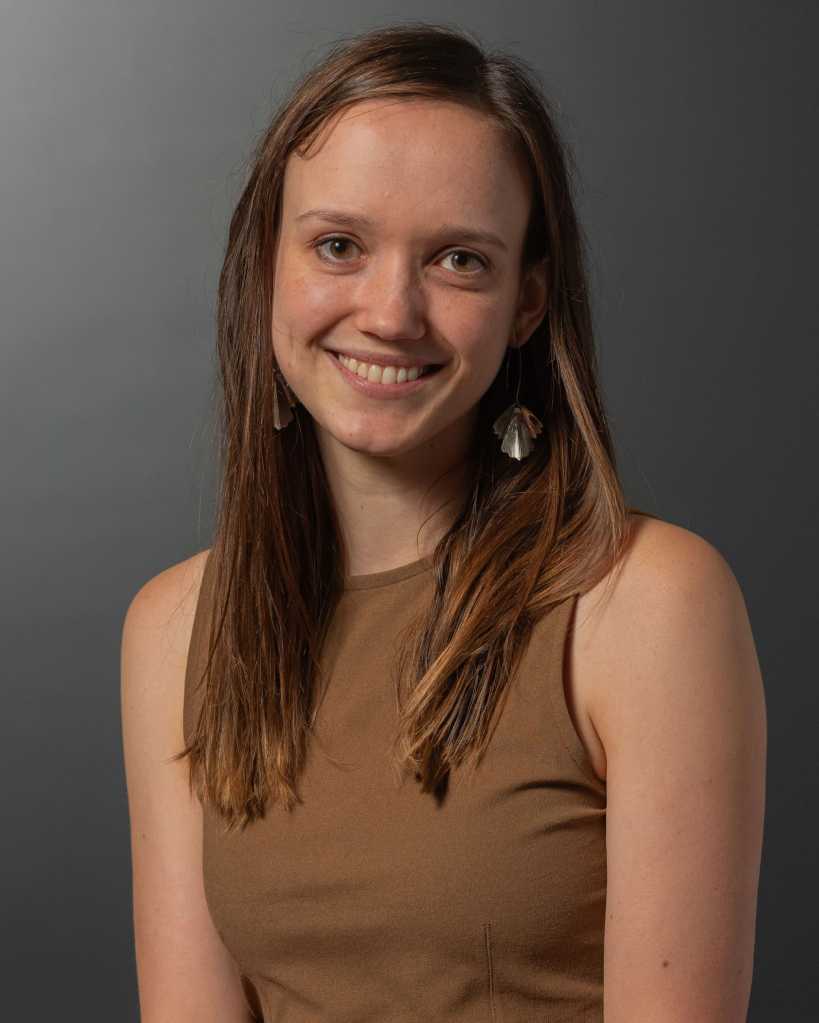
Lucy Silbaugh is an MFA student in poetry at Johns Hopkins. Her poems have appeared in the TLS and Gulf Coast and are forthcoming in the The Iowa Review and The Bennington Review. She has published essays on Nabokov, Gazdanov, and Henry James.
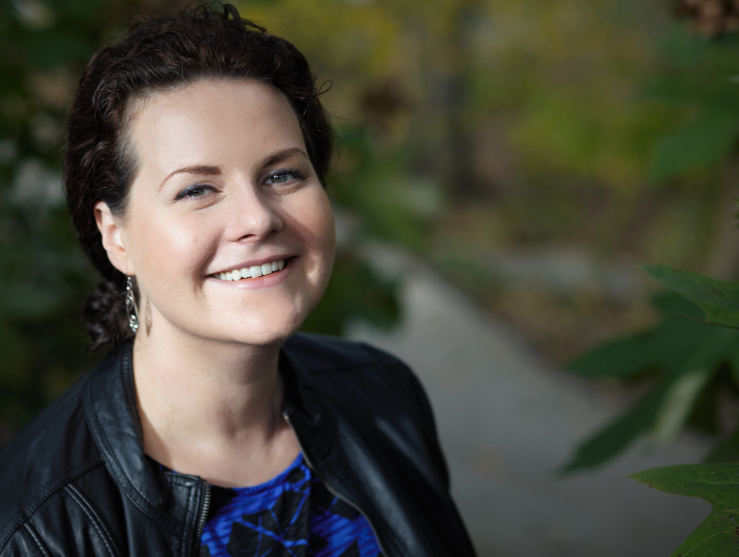
Lana Spendl’s work has appeared in The Threepenny Review, World Literature Today, The Rumpus, and other journals. She is the author of a chapbook of fiction and reads for Crab Creek Review. Her childhood was divided between Bosnia and Spain prior to her immigration to the States. Read her work at lanaspendl.com/writing.
Alina Stefanescu is a unique poetic voice of the Romanian American diaspora. Her poetry collection Dor won the Wandering Aengus Press Prize (September, 2021). In the collection, My Heresies (Sarabande, 2025), she has “translated” Romanian childhood myths into the present as spaces for ontology.
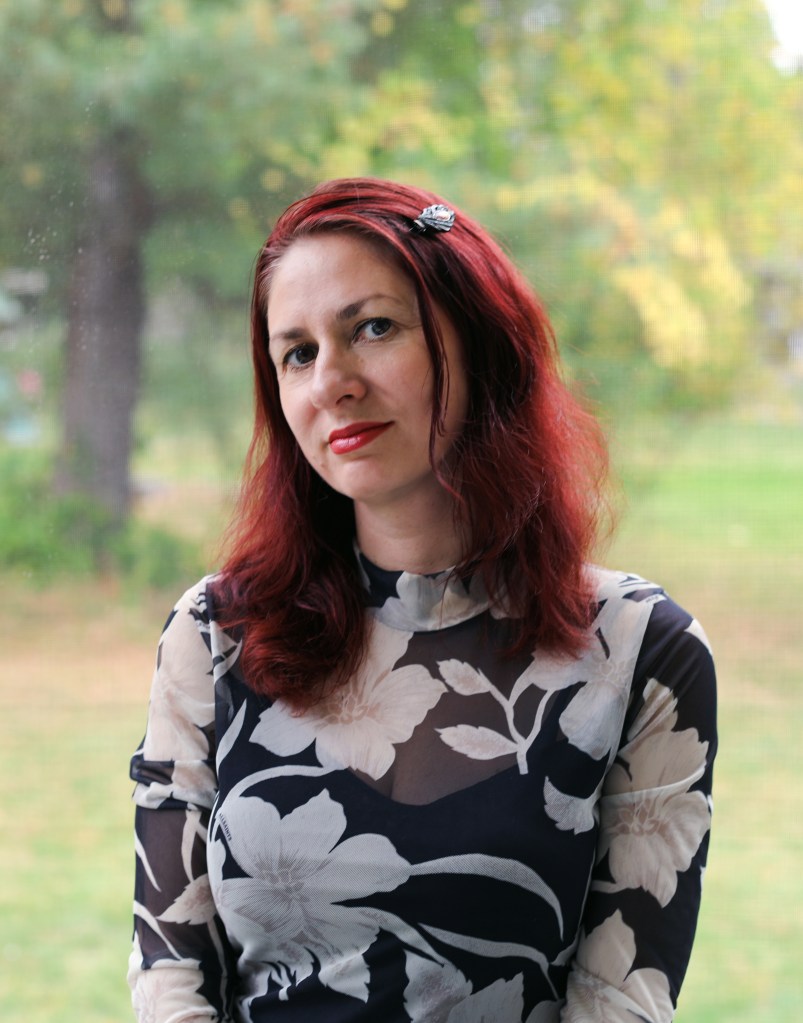
Natalya Sukhonos is a poet who was born in Odesa, Ukraine and now lives in Upstate NY. She is the author of Sunlight Trapped in Stone (Green Writers Press 2026) and two other collections. natalyasukhonos.com
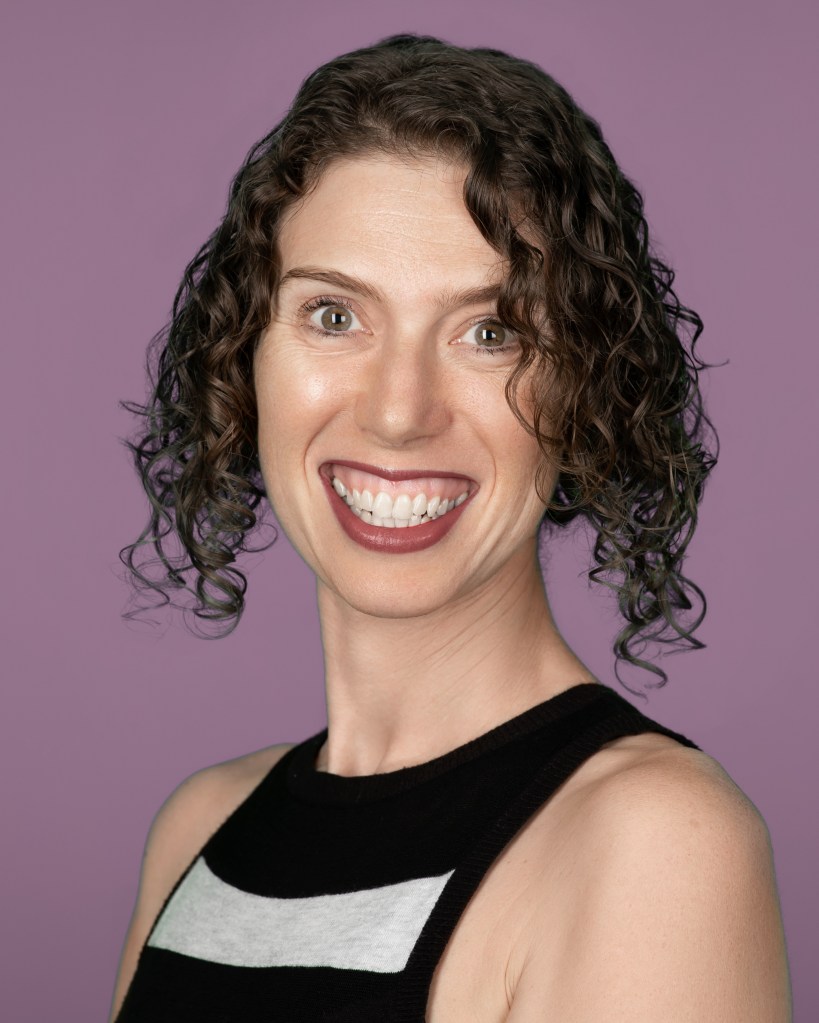
Vlada Teper is a writer and educator from Moldova. Her work has appeared in Newsweek, NPR, World Literature Today, and others. She is the founder of the nonprofit Inspiring Multicultural Understanding. www.vladateper.com
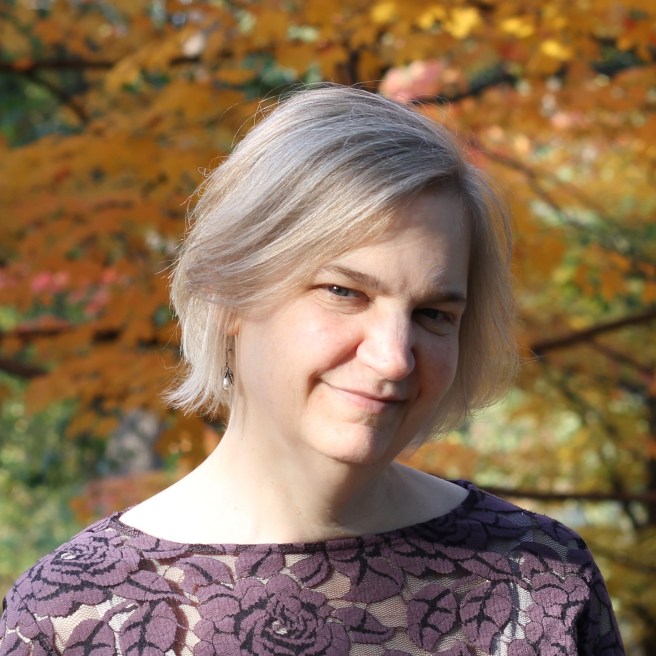
Katherine E Young by Samantha H. Collins

Katherine E. Young is the author of Day of the Border Guards and Woman Drinking Absinthe and served as the inaugural Poet Laureate of Arlington, VA. She translates Azerbaijani, Kazakh, Russian, and Ukrainian writers. https://katherine-young-poet.com/
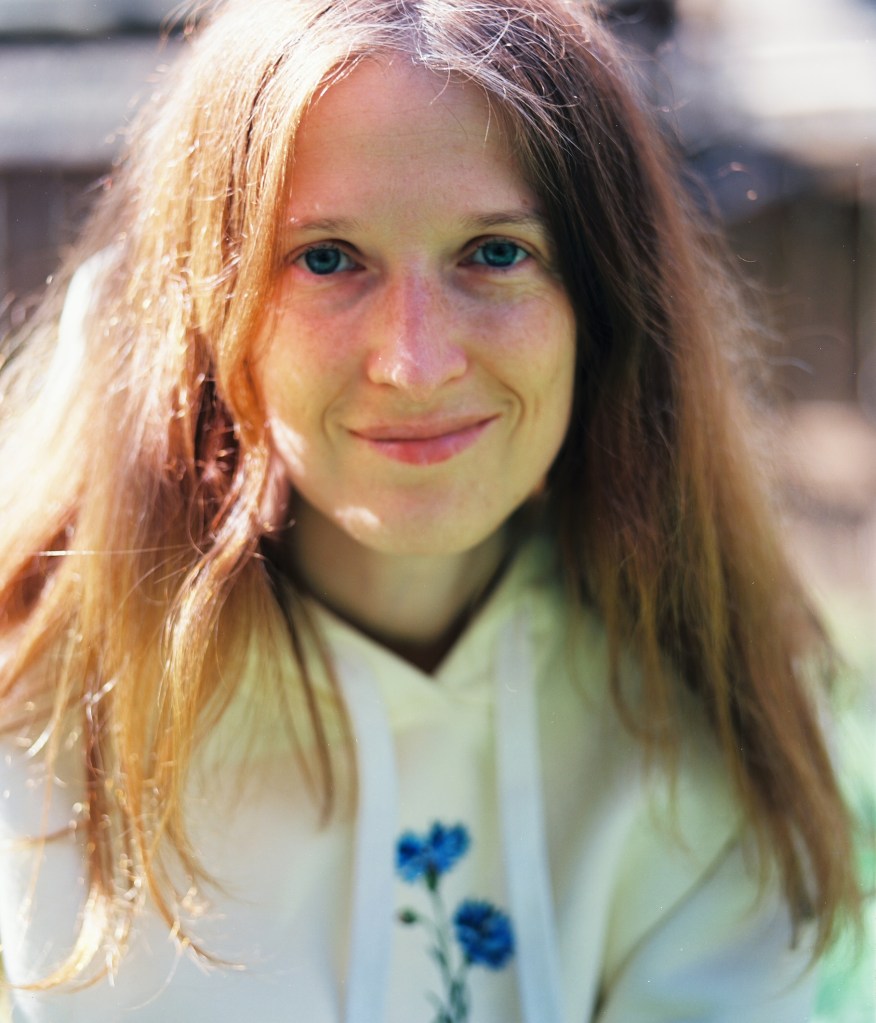
Tatsiana Zamirovskaya is a bestselling Belarusian author who writes metaphysical and socially charged fiction. She is the author of three short story collections in Russian and two highly acclaimed novels, The Deadnet and Candles of Apocalypse. She worked for Voice of America as an editor and journalist until its shutdown in March 2025.
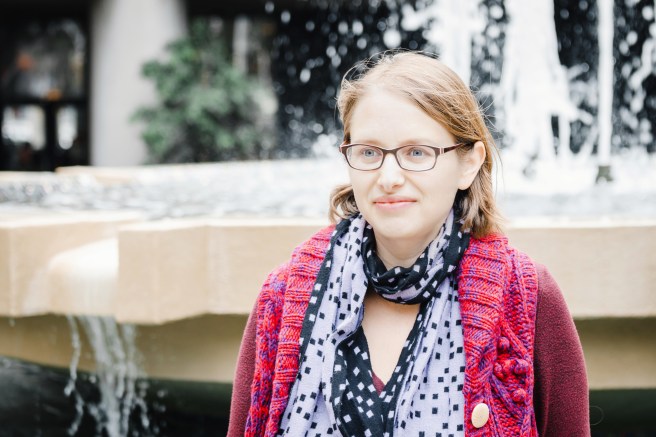
Olga Zilberbourg is the author of LIKE WATER AND OTHER STORIES (WTAW Press). She co-facilitates the San Francisco Writers Workshop and co-founded Punctured Lines, a blog about literatures from the former USSR. https://zilberbourg.com/
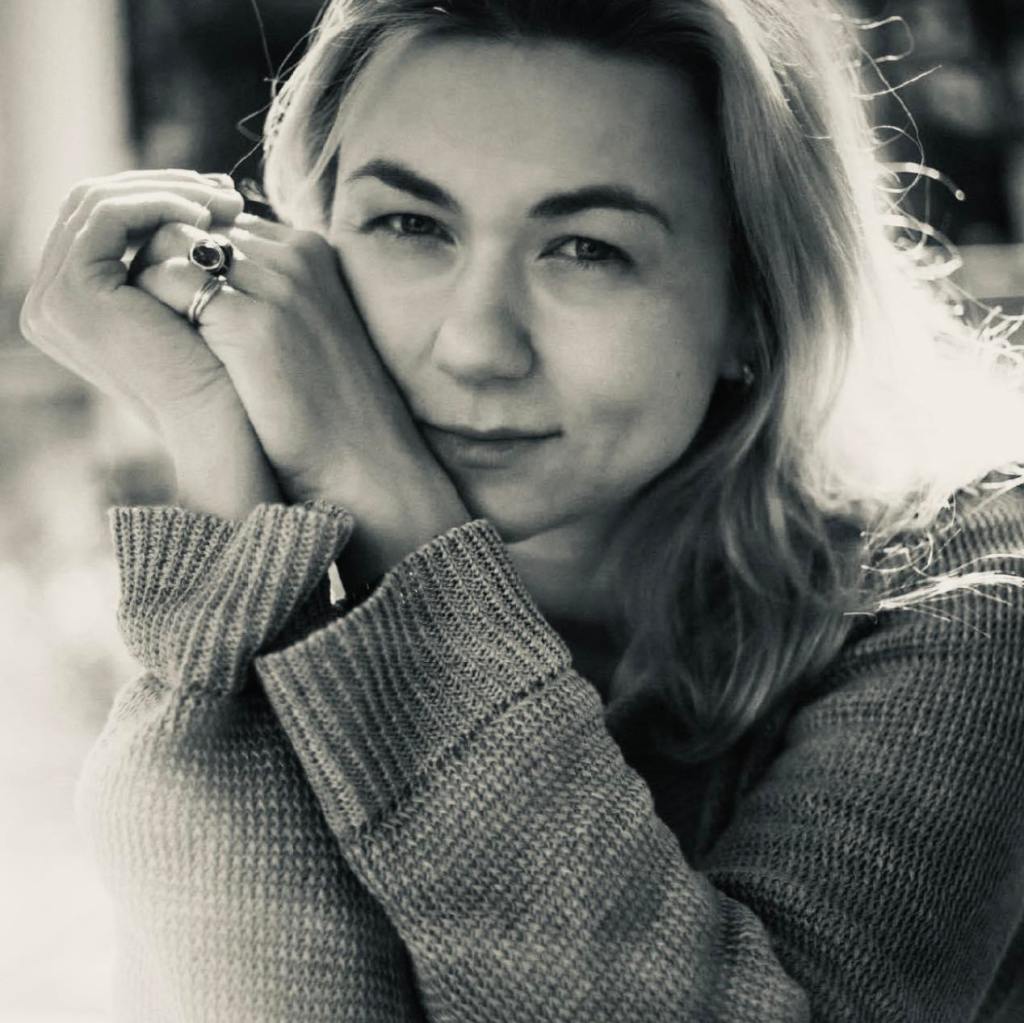
Lena Zycinsky is a Belarusian-American poet and artist, working across languages and disciplines. The author of several poetry collections and art exhibitions in Russian, Lena holds an MFA from New York University. Her work has been published in the New York Times and selected for the Poetry Archive. Born in Minsk, Lena has lived in the United States, the United Kingdom, and Greece, and is currently based in London. More at: www.lenazycinsky.com

Video from Born in the USSR: Diaspora Writers Against War

Thanks to those of you who could attend our event, Born in the USSR: Diaspora Writers Against War, hosted by the Wende Museum on March 28. We loved having you as our audience and hope to continue the conversations in various ways.

Thank you for donating to Ukraine Trust Chain. Ukraine needs all of our support. Please continue to spread the word and donate here: https://www.ukrainetrustchain.org/

The video from our event is now online:

Continue reading “Video from Born in the USSR: Diaspora Writers Against War”

Born in the USSR: Diaspora Writers Against War

This one of a kind reading brings together Soviet-born writers as they weave together an intricate story of identity, memory, cultural intersections, immigration, and war. From fiction to poetry, memoir and journalism, and work in translation, the reading presents a deep dive into the individual and collective experiences of the Soviet-born diaspora in the U.S. This free event includes a fundraiser in support of humanitarian aid in Ukraine and aligns with The Wende Museum’s current exhibition “Undercurrents II: Archives and the Making of Soviet Jewish Identity.” Autographed books will be on sale, courtesy of Village Well.

Hosted by The Wende Museum, readers include poets, writers, and translators: Katya Apekina, Yelena Furman, Kristina Gorcheva-Newberry, Julia Kolchinsky, Arina Kole, Maria Kuznetsova, Olga Livshin, Ruth Madievsky, Ainsley Morse, Luisa Muradyan, Jane Muschenetz, Asya Partan, Irina Reyn, Diana Ruzova, Timmy Straw, Vlada Teper, Sasha Vasilyuk, and Olga Zilberbourg.

Continue reading “Born in the USSR: Diaspora Writers Against War”

Ukraine Fundraiser and Reading in Philadelphia by the Cheburashka Collective on March 24

Our friends The Cheburashki, “a growing collective of women & nonbinary writers who are emigres/refugees/first-generation from countries that were once a part of the Eastern bloc,” are hosting a reading in Philadelphia next week. Here’s a great place to find some camaraderie in this time of war and donate money for Ukrainian refugees.

This event is happening in conjunction with AWP, a poets and writers conference that will include several important events with USSR diaspora writers. We made a list.

Here’s their flyer and details of the event:

Details:

Poems and Stories by the Cheburashka Collective

March 24, 6-8 pm

Slought
4017 Walnut St
Philadelphia, PA 19104

Voices for Ukraine: Video from the Words Together Worlds Apart Reading

Here’s a video from yesterday’s poetry reading featuring poets from Ukraine and their English-language translators. Thanks to poets Olga Livshin and Julia Kolchinsky Dasbach who organized this event 800 people from across the globe came together for Ukraine. This event, put together as a part of an ongoing poetry series Words Together Worlds Apart was a fundraiser, and it’s not too late to DONATE to UNICEF.

Here’s a more comprehensive list of organizations that accept donations for Ukraine.

*Words Together Worlds Apart spearheaded by poet Julia Kolchinsky Dasbach is a virtual reading series. Its mission is: “To maintain & build literary community across distance through our shared love of words. Featured readers will share their work around a weekly theme, followed by interactive discussion.”

Voices for Ukraine: A Words Together Worlds Apart Reading

Many of us have been wondering how to help Ukrainians who are under a renewed attack from Russia. Poets Olga Livshin and Julia Kolchinsky Dasbach have put together a reading by poets from Ukraine writing in Ukrainian and Russian, and translated to English. Read the event description below and register for the event happening March 1 at 12:30pm ET. This message includes links to organizations where you can make donations to support Ukraine in this time of war.

*Words Together Worlds Apart spearheaded by poet Julia Kolchinsky Dasbach is a virtual reading series. Its mission is: “To maintain & build literary community across distance through our shared love of words. Featured readers will share their work around a weekly theme, followed by interactive discussion.”

From Olga and Julia:

Amid the current catastrophe in Ukraine, a brutal invasion of a sovereign nation, it is more urgent than ever to listen to the voices of its people. While media provides overwhelming coverage, literature, poetry, and art are just as important for processing, coping, and surviving trauma.

Hosts Julia Kolchinsky Dasbach and Olga Livshin unite Ukrainian poets and their translators alongside US poet-allies in Voices for Ukraine–a transatlantic reading spanning from Kyiv, Odesa, and Lviv, to LA, Atlanta, Philly, and Little Rock, as well as recordings Ukrainian poets have sent in the event they are unable to join us live due to internet outages and air raids. 

***Please note that you need to register on Zoom. Another way to register is through event page on Facebook.

Readers include:

Ilya Kaminsky
Katie Farris
Carolyn Forché
Boris Khersonsky *
Lyudmyla Khersonska *
Lyuba Yakimchuk *
Iya Kiva *
Oksana Lutsyshyna

Oksana Maksymchuk *
Dzvinia Orlowsky
Vitaly Chernetsky
Yuliya Chernyshova *
Danyil Zadorozhnyi *
Ostap Slyvynsky *
Katherine E Young

Boris Dralyuk
Olena Jennings
Amelia Mukamel Glaser
Yuliya Ilchuk
Hilah Kohen
Joy David
Victoria Juharyan

We need their voices and they need our support and collective action. Our solidarity! (*indicates poets speaking from Ukraine).  

There is a suggested $5 donation to support the reading series, which can be paid via Venmo @ Julia-Dasbach or PayPal: jkolch@gmail.com. Contributions are always welcome but never required, anything you give, big or small, helps. 90% of all the funds collected today go towards https://www.unicefusa.org/stories/unicef-children-are-bearing-brunt-intensifying-crisis-ukraine/39481 getting humanitarian aid to the children in Ukraine. For more reputable organizations you can donate to, see the following list: https://helpukrainewin.org/?ref=producthunt&fbclid=IwAR0z0tCZO_rqfVKHThRbwptC3VaSwVC9aHrXxFvTwsn550f7jjxk-UYtOMU

Even through this unbearable ache, let’s try to find solace in each other’s words together, as we stay worlds apart.

Going to AWP22? Panels not to miss!

Annual conference of the Association of Writers and Writing Programs is coming up March 23-26, and will be held in Philadelphia as well as online. The conference will include a number of events featuring writers that we follow, writers with a connection to the former Soviet Union and diaspora spaces. Take a look at our list, and please note that some of these will be in-person, while others are virtual.

Continue reading “Going to AWP22? Panels not to miss!”

Soviet Diaspora Poetry Reading by the Cheburashka Collective

We love seeing creative artists adjust to the current time. Being on the West Coast, I have often regretted not having access to the literary events that take place on the East Coast (to speak nothing of events in Russia proper.) Here comes the recording of the Cheburashka Collective reading recorded on April 1st, 2020 on Zoom, via Kelly Writers House at the University of Pennsylvania.

Virtual Happy Hour of writers with the former Soviet Union connection

This week AWP, or Association of Writers and Writing Programs, is holding its annual conference in San Antonio, TX. Many of the attendees, however, have opted to stay home due to the increased risk of the corona virus outbreak. An important component of this conference is a massive book fair, at which hundreds of independent presses and literary journals sell their stock. To compensate for the losses of this already financially strained community, people are organizing several initiatives.

First of all, there’s #AWPVirtualBookfair Twitter hashtag, under which you will find links to lots of publishers who are offering significant discounts of their stock. Trevor Ketner started the #AWPVirtualBookfair Google Doc, where you can find a comprehensive list of participating publishers, and Natalie Eilbert creating the AWP Virtual Bookfair for Authors Doc. Justin Greene created a handy list of publishers on Entropy, that includes the discount codes. Point being: the best way to support literary arts and independent publishing is to buy our books.

One of my plans for this conference was to co-host a happy hour for writers and translators working on material related to the former Soviet Union. Unfortunately, both my co-host Olga Livshin and I decided to cancel, as did most of the people we hoped would take part. I envisioned that this happy hour would help us, in part, to build a sense of community and help us brainstorm ways in which we can support each other’s work. So, in that spirit, here is an image gallery followed by a list of these titles with links, where you can buy the books.

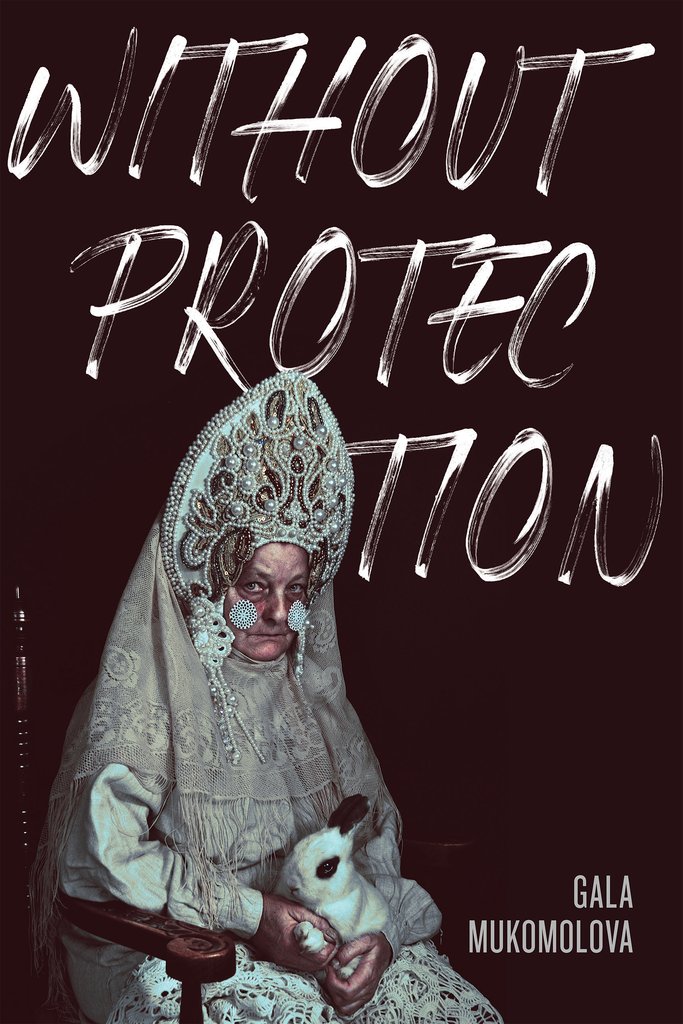
Gala Mukomolova, Without Protection, from Coffee House Press

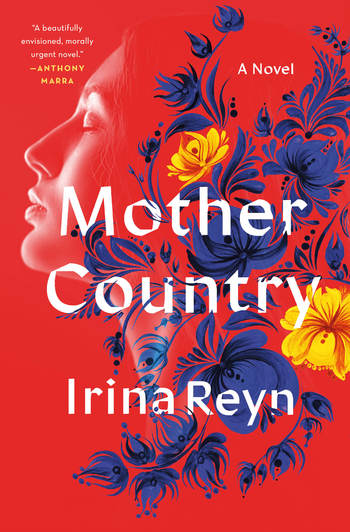
Irina Reyn, Mother Country, from St. Martin’s Publishing Group

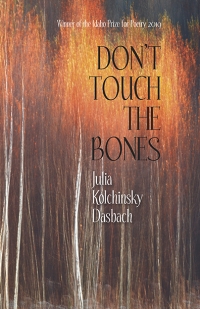
Julia Kolchinsky Dasbach, Don’t Touch the Bones, from Lost Horse Press

Olga Livshin, A Life Replaced, from Poets & Traitors Press

Olga Zilberbourg, Like Water and Other Stories, from WTAW Press

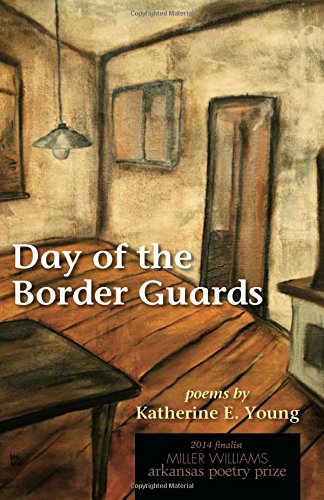
Katherine E. Young, Day of the Border Guards, The University of Arkansas Press

Larissa Shmailo, Sly Bang, from Spuyten Duyvil

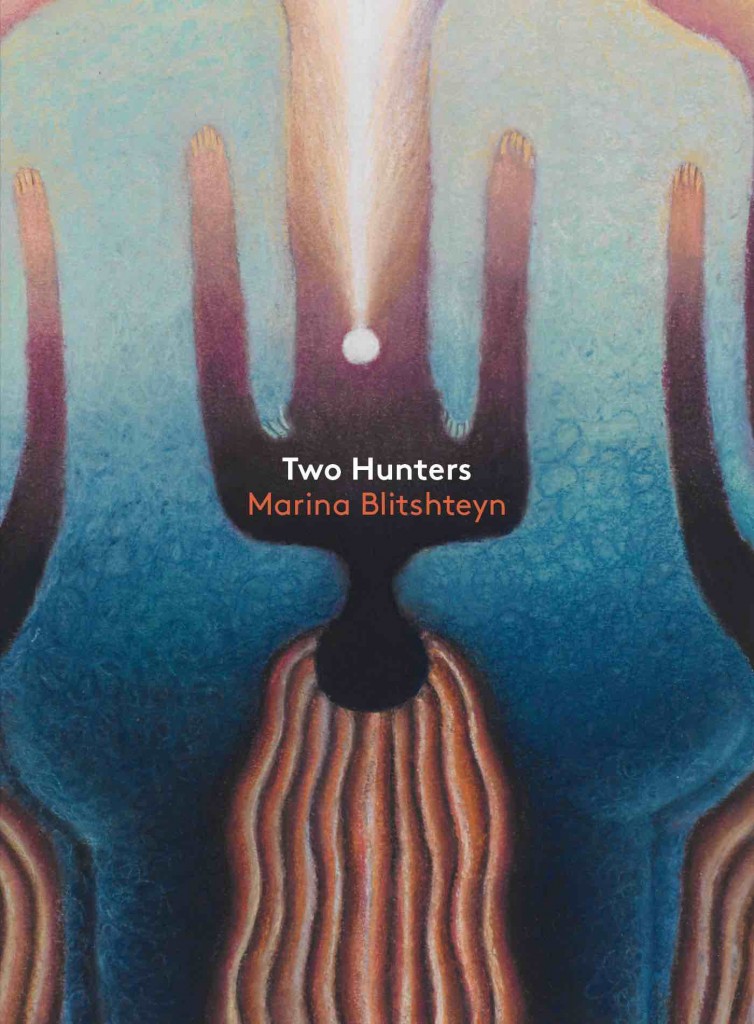
Marina Blitshteyn, Two Hunters, from Argos Press

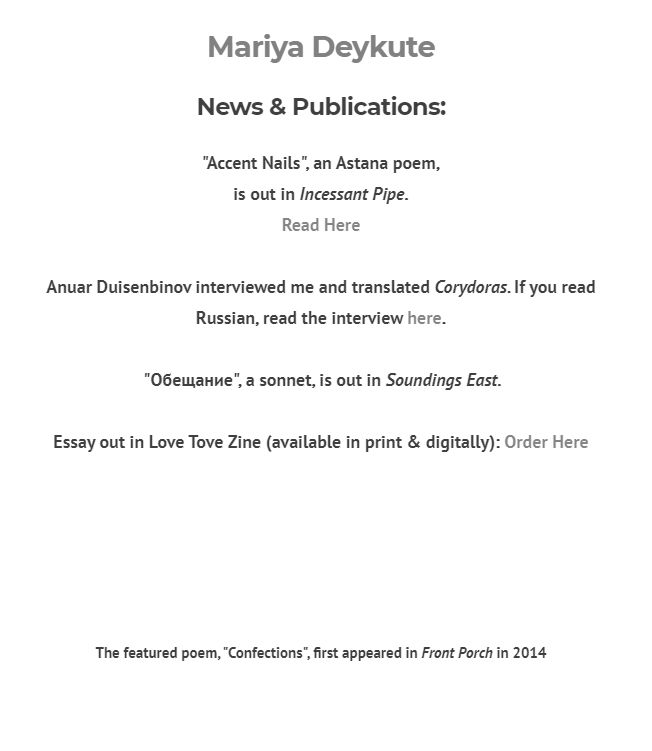
Mariya Deykute, her website

Mary Jane White, Starry Sky to Starry Sky, from Holy Cow! press

Ruth Madievsky, Emergency Brake, from Tavern Press

Valzhyna Mort, Music for the Dead and Resurrected, from FSG

* If you don’t see a book that you wish to be included, please leave a comment!

Q&A with Olga Livshin: A Life Replaced (Poets and Traitors Press, 2019)

Today on Punctured Lines, our Q&A with Olga Livshin, author of the recently released A Life Replaced: Poems with translations from Anna Akhmatova and Vladimir Gandelsman. We announced the book’s arrival here and you can listen to a podcast discussing it here. She and Olga Zilberbourg will be reading from their collections at an upcoming event in Rochester, NY on November 9, 2019. Olga answered our questions by email.

You wrote a book in which you both translated Akhmatova’s and Gandelsman’s work and wrote original poems that are, directly or indirectly, in dialogue with them. Describe, briefly, your writing process. 

I like the idea of going beyond the one voice–the idea of poetry as a play, and of a book as a porous object, absorbing other energies. There are three characters here: I translated two modernist Russian poets, and then I wrote responses to their work, some of which are imitations. Poets & Traitors Press has this format that fit what I was doing really well. They publish poems based on translations, poems that speak to these translations. So rather than publish a typical poetry collection, which, if you think about it, is this continuous solo for something like 50 or 80 pages, these Poets & Traitors books are a bit like jazz. They’re inclusive. They invent and improvise. Their dynamics are pluralistic and lively.

What were the differences in how you approached writing vs. translating poetry? 

It’s pretty seamless. When I translate, it’s a bit like giving a voice, and it’s also implicit dialogue, of course, since translation is interpretation–it’s full of choices. And when I write back, or talk back, the dialogue goes further. All of this, though, is part of the same kind of play: where the characters depend on one another and echo each other.  

What about translating/“talking to” Akhmatova? 

Yeah, “talking to,” for sure! Akhmatova is an author that a lot of mothers who grew up in the 1960s and 1970s quoted to their daughters–my mom quoted her to me. And I think a lot of people thought–still think–of her as a symbol of stoicism and of grieving wisdom, a model for how to live with dignity and defend fellow others under repressive regimes. In our family, she was like this Lilith, great mother, forever strong and even raging. It was rather difficult: you know, she was someone you could quote, but never be, right? Then I went to grad school to get my PhD in Slavic Studies, and I learned that some prominent literary scholars had showed that she was no angel, she was a full human with flaws, and–they wished to show–that she was rather a monster. I think both of these extremes are kind of silly. In my book I don’t so much aim to dethrone as to discover.  There’s a different Akhmatova than the one people know: brazen and humorous behind all that mighty moral raging. She’s a perpetual child, even in her later work, trusting love for love’s sake, no matter what life did to her. “To me, in poetry, everything should be out of line,” she writes, “Not how these things are done. / I wish you knew what garbage sprouts poems….” I want to know about this bold, hidden girl, and I want people to know her.

How about translating/“talking to” Gandelsman?

He is closer to me and thus less hidden. Vladimir Gandelsman was born in 1948 and came of age in Leningrad before it turned into St. Petersburg and before he left for the United States, where he lives now. He’s an immigrant like me, and he has similar instances of alienation. So when it comes to his work, I’m basically a devotee. I aim to push this writer forward and amplify his voice. Gandelsman’s work has such a unique way of balancing human emotions such as irritation and anxiety with this amazing appreciation of small joyful moments, which are just sublime in his work. Gandelsman, to my eye, transcends what so many poets and writers in Russia had: this hatred of byt, the everyday.  There was a bunch of visionary philosophers a hundred years ago, they all wished to go beyond our biological and biographical limitations. Beyond the body, beyond the home. On the other hand, Gandelsman is the supreme discoverer of light in the dust of the domestic. And in nature, which he paints in some beautifully minimalist ways. And in one’s own family, even in some difficult moments. He is a very generous poet. Where I write in parallel are poems of small joy: he has a small bird in the sky, I have little mushrooms; he has a hallowed moment of immigrant recognition of oneself in an American-grown boy, I have recognition of a Syrian immigrant’s stories in our own tales of self. I want to help this voice be in the world and take on new forms, in English, and in my little sprouts off it.

Other than Gandelsman, what is your relationship with contemporary Russian literature in general?

I enjoy some voices. Maria Stepanova. Vassia Borodin. Polina Barskova, in the US. And then in Ukraine, so much great and heartbreaking poetry in Russian is coming out from people writing about the war. Boris Khersonsky and Lyudmyla Khersonska. I really like Anastasia Afanasieva’s work. Iya Kiva’s poetry. There is an incredible urgency to these voices, and they’re profoundly intertextual, in dialogue with other language about war and violence, going all the way back to the Bible and all the way forward to how Russian and Ukrainian TV talks about war.

In addition to the two in your book, who are some of the writers that inspire you?

There is a flowering of immigrant and first-generation American poetry now. So many rich voices. From the better known, such as Chen Chen and Ocean Vuong, to those that should be better known. Ahmad Almallah’s recent book Bitter English addresses issues of writing in English as an immigrant. Jenna Le has gorgeous poems that capture the intersection of girlhood and growing up Vietnamese-American in Minnesota. Ananda Lima has made fine, strange, surrealist prose as well as poetry that looks at issues of home and motherhood in the context of being an immigrant. I love how these poets echo certain ruins of their cultural past with not-quite utopias of their American present. 

Do you find yourself working against some Russian cultural stereotypes?

Ha! I have carried so much shame about these for so many years. It’s kind of gone, but of course you can’t quite get rid of it. But that’s what writing is for–finding a voice that is more complicated than these stereotypes and insisting on maintaining that voice. Both in your writing and also, once you find it, the beautiful thing is, you can take it wherever you find it relevant. 

As a writer one of whose major topics is immigration, do you find yourself connecting with other diaspora writers?

I like Boris Fishman’s prose. Julia Kolchinsky Dasbach is one of my favorite Russian American poets. A fellow Russian-speaking Ukrainian Jew, she just published a fiery poetry collection called The Many Names for Mother. It’s such a bittersweet exploration of motherhood and the infinite in the context of her origins, both feminine and Soviet/ Ukrainian/Jewish. It’s so, so good.

How do you relate to feminist ideas and navigate the gap between the different gender expectations in American vs. Russian cultures? Do you see any shift of Russian gender norms in the diaspora?

So I got pretty lucky: I grew up with a mother who has a strong personality and who worked at this beautiful glorious music school in Moscow, where we lived from when I was 7 to when I was 14 and we moved to the US. To me, she channeled powerful feminist thought, although that’s not language she used. Yes, we dressed up, but it was to strut our stuff and have fun, not in order to please a man. I also grew up in a family where everyone had worked: both grandmas, my mom, all her female ancestors were peasants. So there was a version of Soviet and Russian homespun feminism that may be problematic and all, it wasn’t perfect, the guys didn’t necessarily help out, but at least there’s that gender modeling of strong women. There is this concept of the matriarchy, and also of women working for generations. 

I find it more irksome to navigate some situations with expectations for women from white Anglo-American upper middle class and upper class backgrounds. There’s an awful lot of stuff that I have trouble relating to, not only helicopter parenting or beautiful thin appearances in beautiful thin yoga pants, but also stay-at-home motherhood. That stuff is hard! It’s really a terrible thing when you know people who live according to those expectations–fraught with depression and with not being recognized as a human being. And when I was a stay-at-home–uh, poet–in our rather affluent suburb, I didn’t wear that identity, but the expectations were quite definite. But I think that the Russian strong woman, not unlike one that Akhmatova wanted people to think she was, wanted people to believe she could be, it’s an ideal and all, but it’s really a fantastic thing to embody. It’s a bigger expectation than the “little woman” that’s stuck around in our America. The resilient, powerful Russian lady–that’s a tall expectation, and it calls on us to stand tall, and I’m proud of that idea.