Owning Fear, Reaching for Freedom: Post-Soviet Writers + Translators Speak Out

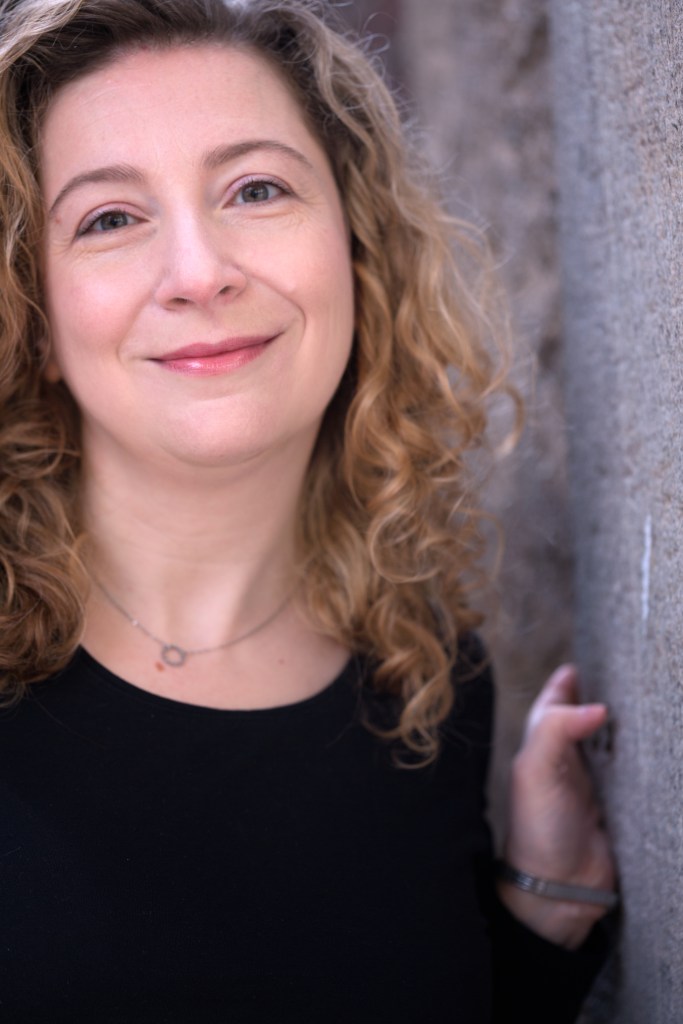
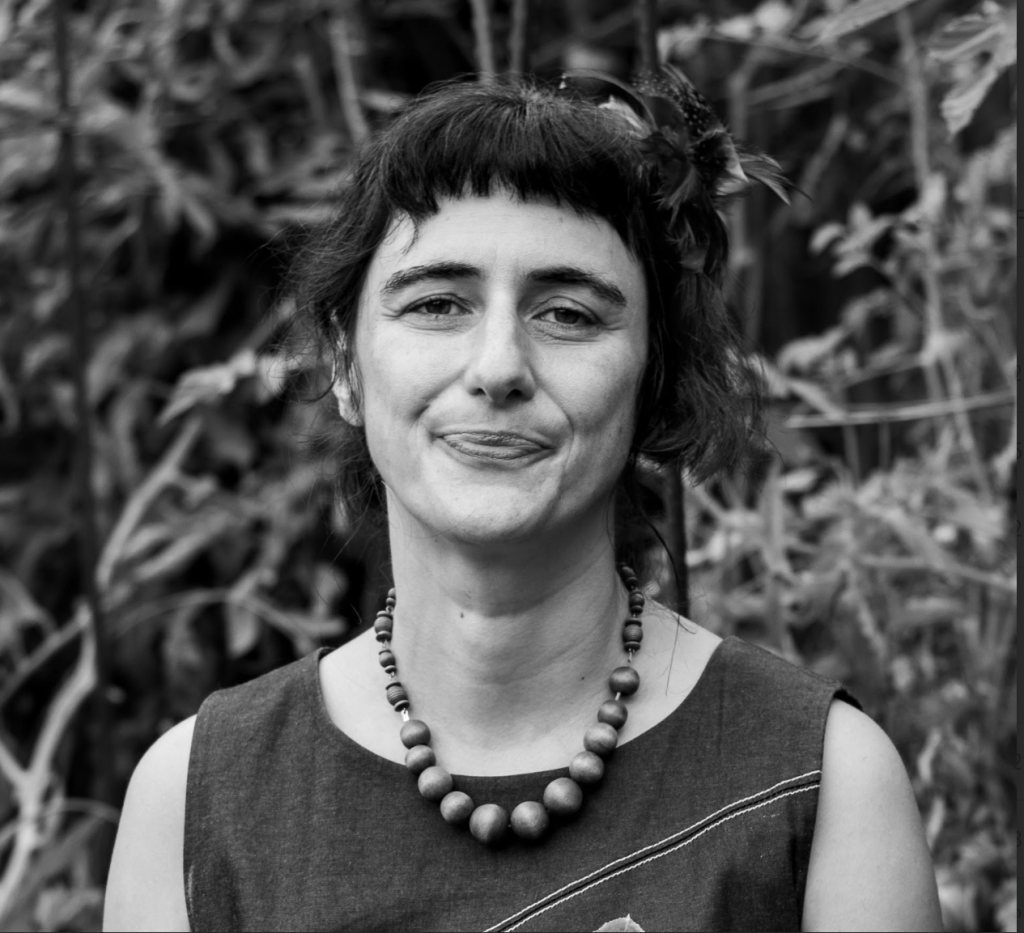
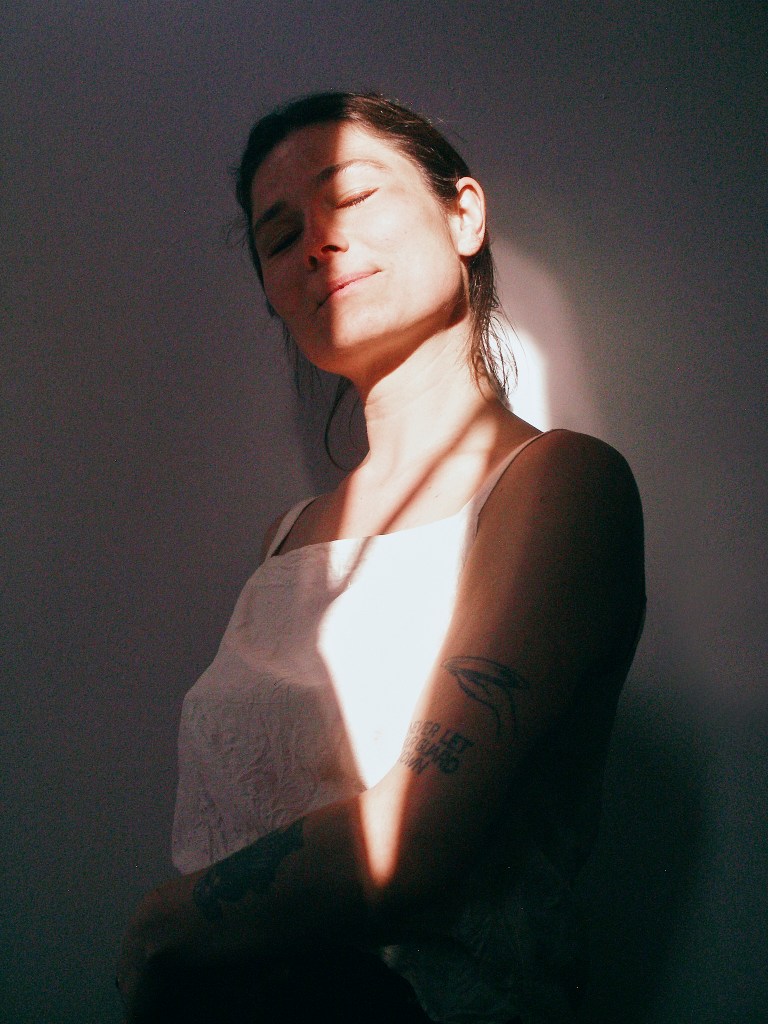
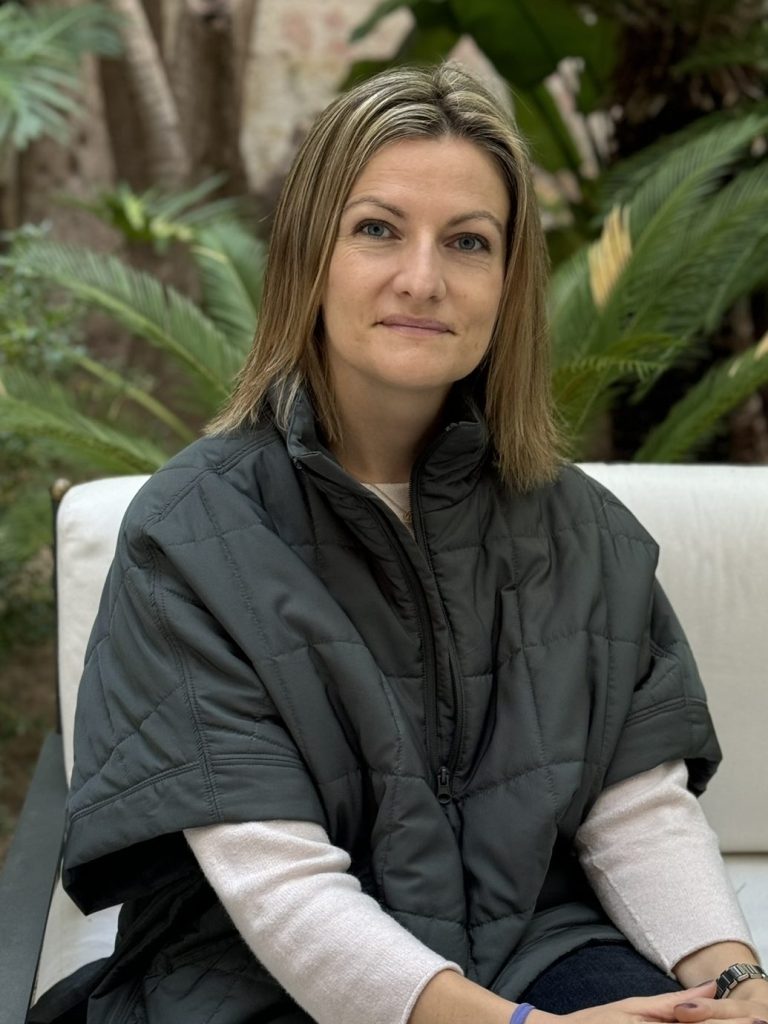
A flyer displaying ten author's photos alongside  three quarters perimeter. In the center left, in black, title of the event:
OWNING FEAR, REACHING FOR FREEDOM: POST-SOVIET WRITERS AND TRANSLATORS SPEAK OUT
on the right, in red: LIT CRAWL SAN FRANCISCO
Below, in Blue:
Sat OCTOBER 25TH 5-6 PM
AT RUTH'S TABLE
2160 21st Street
Sponsored by California Humanities and Ruth's Table

Dear Punctured Lines community — please help us spread the word about the next San Francisco Bay Area reading by writers born in the former USSR. This event is a part of San Francisco’s annual Lit Crawl festival and will take place at Ruth’s Table (3160 21st Street) on October 25, 2025 at 5 pm.

We’re a group of immigrant writers and translators from Ukraine, Russia, and Kazakhstan, coming together to share creative ways of speaking truth to power. Our fiction and non-fiction stems from our community’s memories of life under the USSR’s totalitarian regime and from our response to Russia’s authoritarian tactics of censorship and war. As artists working in the United States today, the growing threat to freedom of expression in this country is shocking in its familiarity. We have seen – and lived – all this before. This is why we believe it’s essential now to provide space to each other’s voices, to build our resilience to censorship and the self-censorship that often follows.

Book Sales provided by Globus Books.

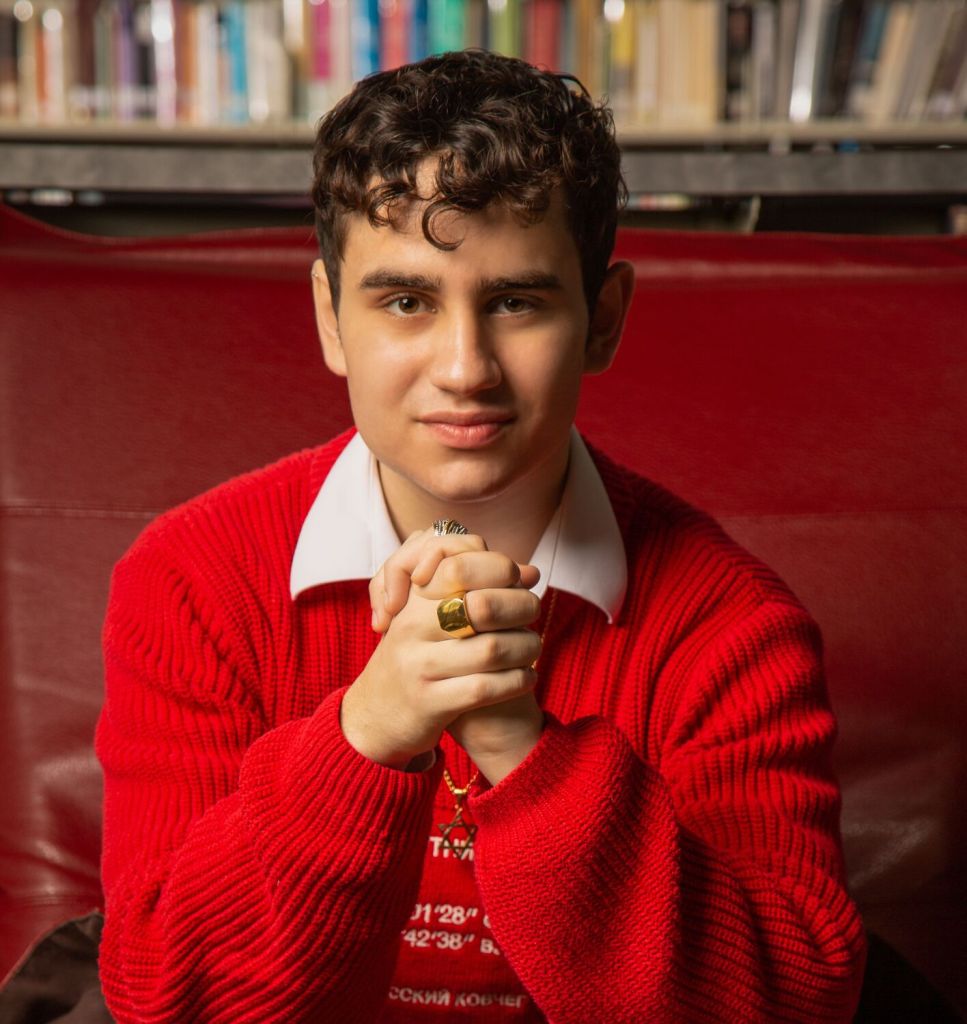
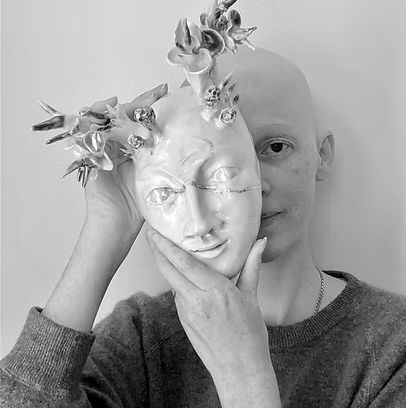
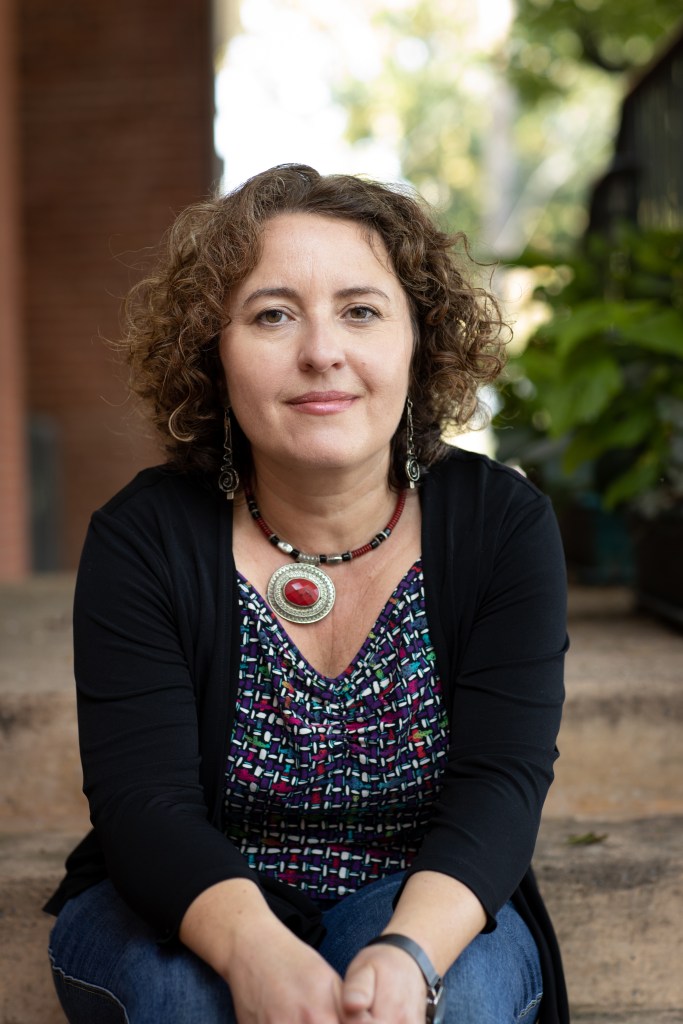
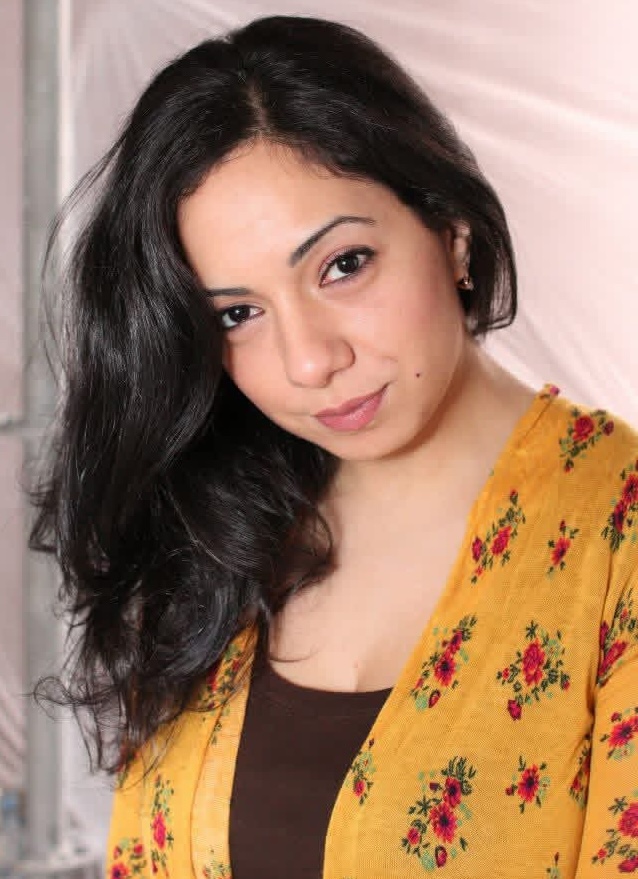
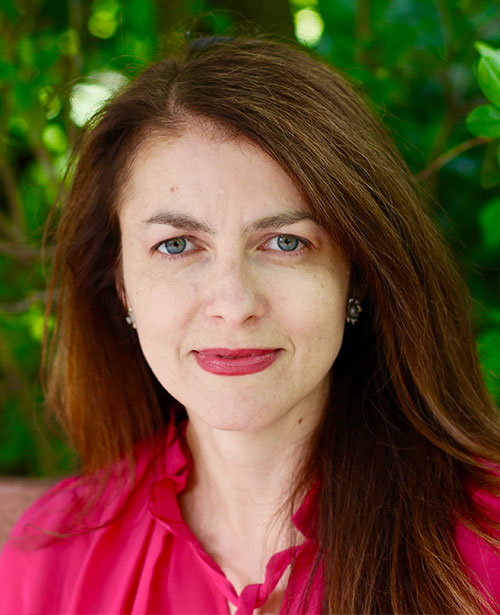
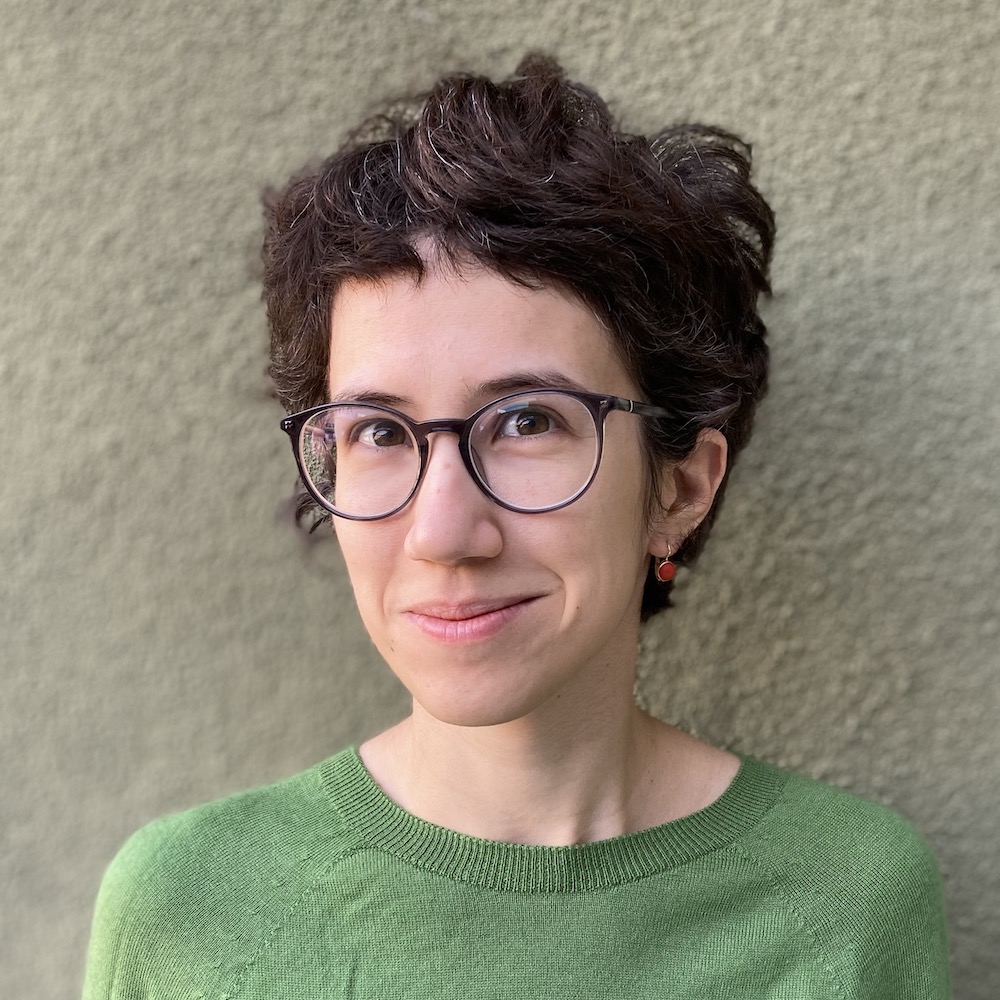
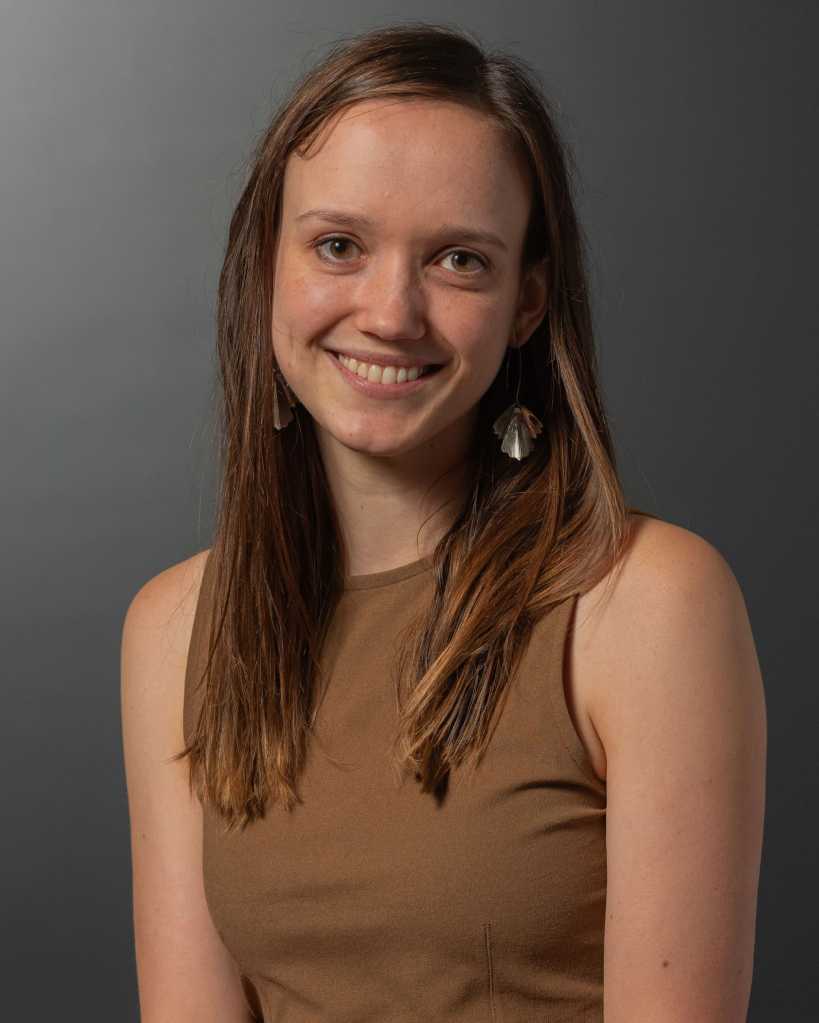
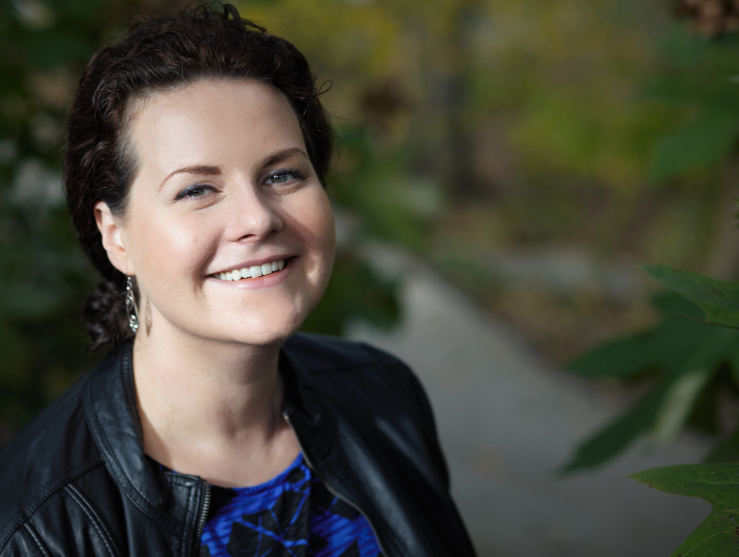
Featured writers:

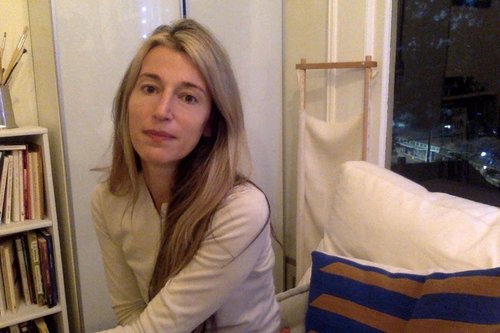
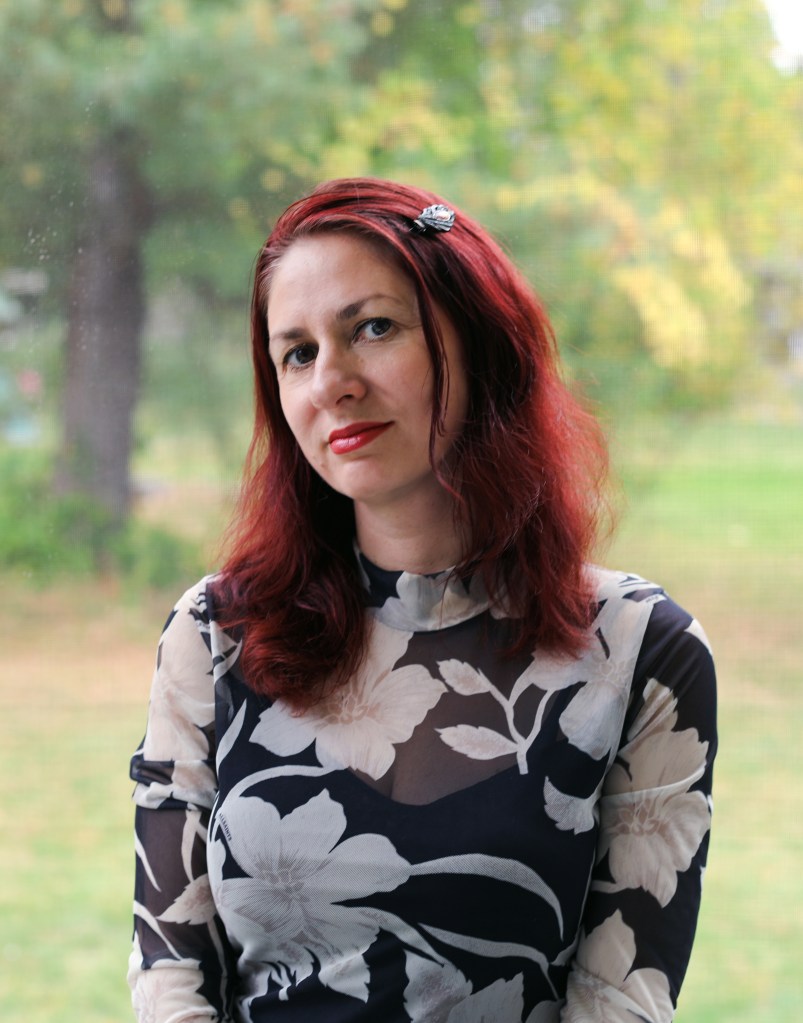
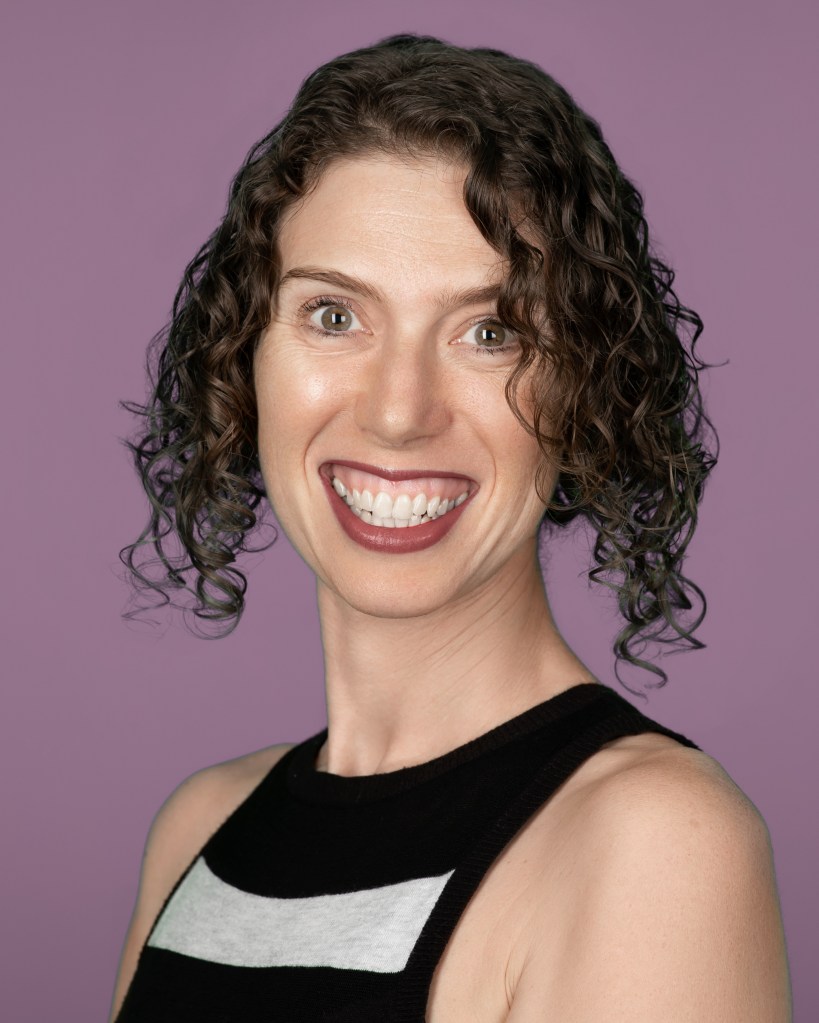
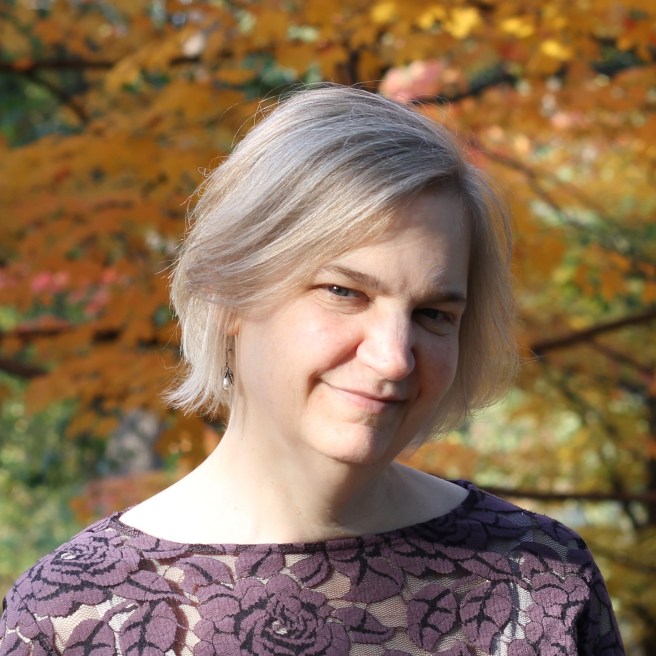
Evgeniya Dame is a former Stegner Fellow whose fiction and non-fiction have been published in Zoetrope: All-Story, Ploughshares, Virginia Quarterly Review, New England Review, Electric Literature, and elsewhere. Her work has been nominated for the Pushcart Prize and received support from the Maine Writers and Publishers Alliance and Monson Arts. Evgeniya holds an MFA from the University of New Hampshire where she was a Fulbright Scholar. She is the Associate Editor at The Threepenny Review and lives in Berkeley.

Elana Gomel was born in Ukraine and currently resides in California. Gomel is an academic, an award-winning writer, and a professional nomad. She is well-known in the academy for her work on speculative fiction and narrative theory, including books such as Science Fiction, Alien Encounters, and the Ethics of Posthumanism and The Palgrave Handbook of Global Fantasy. A member of Horror Writers of America (HWA), she is the author of many short stories, two collections, several novellas, and eight novels of dark fantasy and science fiction. Her stories appeared in Best Horror of the Year, The Dark magazine, Apex, and many anthologies. Her latest novels are Nightwood, a fairy tale about exile, marriage, and monsters (Silver Award in the Bookfest 2023 contest) and Nine Levels, a mythological fantasy.

Dmitri Manin‘s poetry translations from Russian to English have been published in books and journals. His translation of Nikolay Zabolotsky’s collection Columns (Arc Publications, 2023) was shortlisted for the ALTA First Translation Prize and the Northern California Book Awards. His translation of a poem by Gala Pushkarenko, first published in AzonaL, was selected for the Best Literary Translations anthology (Deep Vellum, 2024) He translated a number of poems for two anthologies of Russian anti-war poetry, Disbelief (Smokestack Books, 2023) and Dislocation (Slavica, 2024).

Maggie Levantovskaya was born in Ukraine and grew up in San Francisco. She works as a Teaching Professor in the English department at Santa Clara University in California. Her writing has appeared in The Los Angeles Times, Current Affairs, The Rumpus, Lithub, Michigan Quarterly Review, Longreads, and elsewhere. She’s currently at work on a memoir about lupus.

Margarita Meklina is a bilingual author born in Leningrad, USSR. She came to the US as a refugee in the early 1990s. The winner of several prestigious international literary prizes, Meklina saw her books vanish from bookshelves and her publishing contracts in Russia evaporate due to her positioning as a supporter of LGBTQ+ rights. With Anne Fisher, she co-curated “Life Stories, Death Sentences,” a folio of LGBTQ+ literature translated from Russian and, together with The Brooklyn Rail/In Translation, facilitated a multilingual reading in New York city, to coincide with the 50th Anniversary of the Stonewall riots. Her new chapbook printed in Berlin uses in its title a Yiddish word and the Jewish “lucky number” 18: 18 Shticks.

Mirgul Kali’s translations of short stories by classic and contemporary Kazakh writers have appeared in Tupelo Quarterly, Electric Literature, The Massachusetts Review, Gulf Coast, Words Without Borders, and other publications. She received a PEN/Heim Translation Fund Grant and a PEN Translates award for her translation of Baqytgul Sarmekova’s To Hell with Poets, a short story collection published by Tilted Axis Press in March 2024. She holds an MFA in Literary Translation from the University of Iowa, where she was an Iowa Arts Fellow.

Sasha Vasilyuk is a journalist and author of a debut novel YOUR PRESENCE IS MANDATORY (Bloomsbury, 2024), which is a finalist for the California Book Award and is translated into seven languages. Her nonfiction has been published in the New York Times, CNN, Harper’s Bazaar, Time, USA Today, and elsewhere. Sasha grew up between Ukraine and Russia before immigrating to the U.S. at the age of 13.

Yuliya Ilchuk is Associate Professor of Slavic Literature and Culture at Stanford University. She is the author of an award-winning book, Nikolai Gogol: Performing Hybrid Identity, and a translator of contemporary Ukrainian poetry, including Halyna Kruk’s A Crash Course in Molotov Cocktails, co-translated with Amelia Glaser. Ilchuk’s book project, The Vanished: Memory, Temporality, Identity in Post-Euromaidan Ukraine, revisits collective memory and trauma, post-memory, remembrance, memorials, and reconciliation in Ukraine. In 2025, HURI Books published Silence Dressed in Cyrillic Letters by Iya Kiva that Ilchuk co-translated with Glaser.

Yuliya Patsay is a Soviet-born, San Francisco-raised teller of stories, most of which are at least half true. On any given day you can find her in a padded room talking to herself (some people call this voice acting), driving carpool, or on the prowl for an unattended microphone and a captive audience. Her motto is “if you’re not laughing, you’re crying.”

Olga Zilberbourg is the author of LIKE WATER AND OTHER STORIES (WTAW Press) and four Russian-language story collections. She has published fiction and essays in Electric Literature, Lit Hub, Narrative, Alaska Quarterly Review, Confrontation, World Literature Today, and elsewhere. Her translation from the work of a Kyiv-based poet and writer Olga Bragina is forthcoming from Fence and Best Literary Translations 2026 from Deep Vellum Press. She co-edits Punctured Lines, a feminist blog on post-Soviet and diaspora literatures, and co-hosts the San Francisco Writers Workshop.

We Have to Go Back: Speculative Fiction, Nostalgia, and the Ghosts of Bookshelves Past, Guest Essay by Kristina Ten

We’re delighted to welcome Kristina Ten on the blog with an essay about some of the origins—personal, familial, cultural, and political—of her debut short story collection. Tell Me Yours, I’ll Tell You Mine will be published by Stillhouse Press on October 7, 2025. Please pre-order the book and ask your local and academic libraries to purchase it. Authors and publishers depend on advance orders! And please don’t forget to rate and review.

— Punctured Lines

History Without Guilt

Part of putting a book out into the world is asking people to read it, and part of asking people to read it is letting go of whatever carefully assembled artist statement lives in your head—how you would describe what your work is circling around, grasping at—and embracing that every reader is going to define their experience with your book for themselves.

That’s what I’m currently doing with my debut story collection, Tell Me Yours, I’ll Tell You Mine. And the definition early readers keep landing on is the word “nostalgic.”

Knowing these readers, I can tell they mean it as a compliment, or at least a helpful neutral statement. All the stories in the book revolve around games and the childlore of the aughts: the divinatory power of cootie catchers, the electrifying lawlessness of the early internet, bonfire legends whispered with a flashlight held under the chin. About half the stories feature young protagonists. Many are set in schoolyards, summer camps, and locker rooms. Others are set in the kind of far-off realms that would feel right at home in a child’s imagination—even as the book itself is unquestionably adult, preoccupied with the horrors of, one, being controlled; and, two, the constant vigilance some of us (girls and women, immigrants, queer people) learn to exercise against it.

Continue reading “We Have to Go Back: Speculative Fiction, Nostalgia, and the Ghosts of Bookshelves Past, Guest Essay by Kristina Ten”

Graphic Memoirs and Novels of Soviet Trauma

I didn’t grow up reading graphic novels. Back in the USSR and Russia comics did not exist as a genre. To this day, some of my contemporaries from that part of the world might occasionally dismiss the whole field of graphic literature as meant only for children. But as time goes on, this genre has been asserting itself within the field of literary studies and has been taken up by an ever-increasing number of creators from the countries of the former USSR and diaspora. It’s become a vibrant source of nuanced, memorable narratives. Many contemporary artists and writers are turning to graphic forms of storytelling to explore creative possibilities that the form has to offer.

Continue reading “Graphic Memoirs and Novels of Soviet Trauma”

Video from Born in the USSR: Diaspora Writers Against War

Thanks to those of you who could attend our event, Born in the USSR: Diaspora Writers Against War, hosted by the Wende Museum on March 28. We loved having you as our audience and hope to continue the conversations in various ways.

Thank you for donating to Ukraine Trust Chain. Ukraine needs all of our support. Please continue to spread the word and donate here: https://www.ukrainetrustchain.org/

The video from our event is now online:

Continue reading “Video from Born in the USSR: Diaspora Writers Against War”

Born in the USSR: Diaspora Writers Against War

This one of a kind reading brings together Soviet-born writers as they weave together an intricate story of identity, memory, cultural intersections, immigration, and war. From fiction to poetry, memoir and journalism, and work in translation, the reading presents a deep dive into the individual and collective experiences of the Soviet-born diaspora in the U.S. This free event includes a fundraiser in support of humanitarian aid in Ukraine and aligns with The Wende Museum’s current exhibition “Undercurrents II: Archives and the Making of Soviet Jewish Identity.” Autographed books will be on sale, courtesy of Village Well.

Hosted by The Wende Museum, readers include poets, writers, and translators: Katya Apekina, Yelena Furman, Kristina Gorcheva-Newberry, Julia Kolchinsky, Arina Kole, Maria Kuznetsova, Olga Livshin, Ruth Madievsky, Ainsley Morse, Luisa Muradyan, Jane Muschenetz, Asya Partan, Irina Reyn, Diana Ruzova, Timmy Straw, Vlada Teper, Sasha Vasilyuk, and Olga Zilberbourg.

Continue reading “Born in the USSR: Diaspora Writers Against War”

Narrating a Violent Childhood: A Q&A with Fiona Bell and Margarita Vaysman about Avdotya Panaeva’s The Talnikov Family

Avdotya Panaeva was born in 1820 and first began publishing her work in one of Russia’s premier literary magazines, Sovremennik, in 1846. The author of numerous short stories, novels, memoirs, as well as collaborative projects, she has only recently begun to achieve the recognition that she deserves in the English-speaking world.

On October 8, 2024, Columbia University Press published Fiona Bell’s translation of Panaeva’s first novel, The Talnikov Family. This became the second full-length translation of Panaeva’s work to English. In my review of the book in On the Seawall, I mention several social and historical factors that have kept this delightful novel from English-language readers for so long. In writing about this book, I have relied, in part, on Bell’s introduction to the novel and on the research by Margarita Vaysman, whose book Self-Conscious Realism: Metafiction and the Nineteenth-Century Russian Novel devotes a section to Panaeva’s work, including an excerpt that ran in Punctured Lines.

Today, it is my pleasure to discuss this novel and Panaeva’s work more broadly with her translator Fiona Bell and scholar Margarita Vaysman.

Continue reading “Narrating a Violent Childhood: A Q&A with Fiona Bell and Margarita Vaysman about Avdotya Panaeva’s The Talnikov Family”

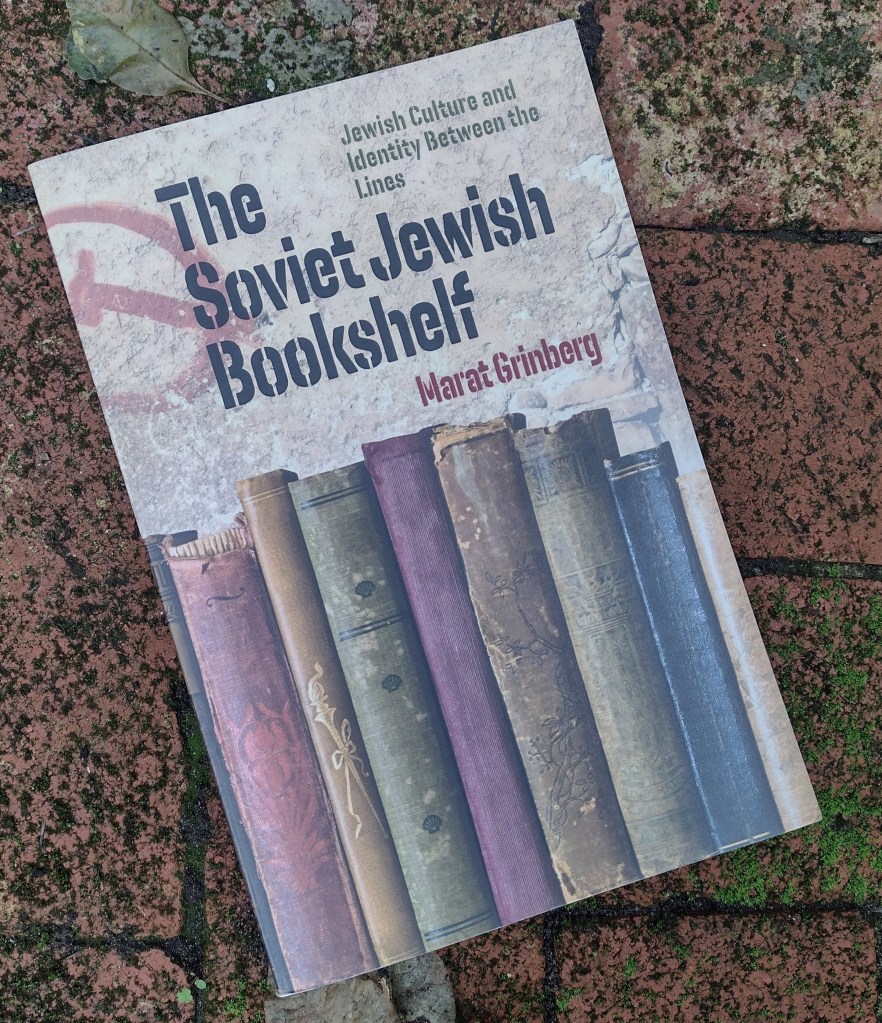
Responding to Marat Grinberg’s The Soviet Jewish Bookshelf

Marat Grinberg’s academic volume The Soviet Jewish Bookshelf (The Tauber Institute Series for the Study of European Jewry, Brandeis UP, 2022) is an important book for the authors of this blog for personal and professional reasons as it reflects on a large body of work that we grew up with and have returned to in professional contexts. In its contributions toward re-defining Soviet Jewish identity in positive terms–as thick and multidirectional–it allows us to reshape our personal narratives and forge a path toward future research and creative projects.

Today we’re highlighting our responses to this book and encourage our readers to continue this conversation.

Continue reading “Responding to Marat Grinberg’s The Soviet Jewish Bookshelf”

A Character with a Secret Is an Easy Sell: A Conversation with Sasha Vasilyuk, by Olga Zilberbourg

A new novel set in World War II enters a crowded and hotly contested field. It is a particularly remarkable feat for a debut novelist that Sasha Vasilyuk’s Your Presence Is Mandatory (Bloomsbury, 2024) earned universal praise from celebrated writers across the former USSR diaspora community and far beyond. Gary Shteyngart wrote, “Wonderfully written, elegiac and necessary, Sasha Vasilyuk uncovers the history behind the recent headlines with great skill and grace.” Susanne Pari, author of In the Time of Our History and The Fortune Catcher, wrote, “An outstanding novel of sacrifice, love, and forgiveness.”

We celebrate this novel’s arrival with particular pleasure. A contributor to Punctured Lines, Vasilyuk participated in a number of events we’ve hosted over the years, and we’ve heard excerpts from this novel as she was working on one draft after another. In May 2024, Olga Zilberbourg interviewed Vasilyuk during a book release event at Telegraph Hill Books in San Francisco. The following Q&A is a follow-up to that in-person conversation. 

Continue reading “A Character with a Secret Is an Easy Sell: A Conversation with Sasha Vasilyuk, by Olga Zilberbourg”

Queer Encounters in the USSR and Russia, A Conversation with Sonja Franeta

Born in New York to Yugoslav parents, Sonja Franeta is a writer, educator, translator, and activist. In 1991, she was a delegate to the first Russian Lesbian and Gay Symposium, organized by International Gay and Lesbian Human Rights Commission (IGLHRC), and she helped facilitate LGBTQ film festivals in Russia.

From 1992 until 1996, Franeta collected video interviews with Russian gay, lesbian, and transgender people. Before Russia repealed its sodomy laws in 1993, some of the people she interviewed had served criminal sentences for homosexuality, while others experienced forced psychiatric treatment. In 2004, Franeta published the edited transcripts of these interviews in Russia, and later translated them to English in a book called Pink Flamingos: 10 Siberian Interviews (Dacha Books, 2017). These in-depth conversations allow us to learn her subjects’ life stories, as well as to understand the way they evaluated their experiences and conceptualized questions of identity and belonging.

In her second book, My Pink Road to Russia: Tales of Amazons, Peasants and Queers (Dacha Books, 2015), Franeta collected her essays on a wide range of topics. They include her childhood in the Bronx with a Croat mother and Serb father, her coming out story, her experiences as a female machinist and labor activist, and studying Russian literature, becoming a writer, and extensive travels across the former Soviet Union and the deep friendships she has formed there. Franeta’s writing is often very personal, exceptionally frank, and deeply insightful. Coming from a working-class background, she studied at NYU and UC Berkeley before rejecting the traditional academic path. In the 1990s, she taught English in Moscow and spent several years in Novosibirsk, working on a project for people with disabilities. 

Continue reading “Queer Encounters in the USSR and Russia, A Conversation with Sonja Franeta”